
Nine Indian Fishermen Detained by Sri Lankan Navy: What’s Behind the Ongoing Tensions?
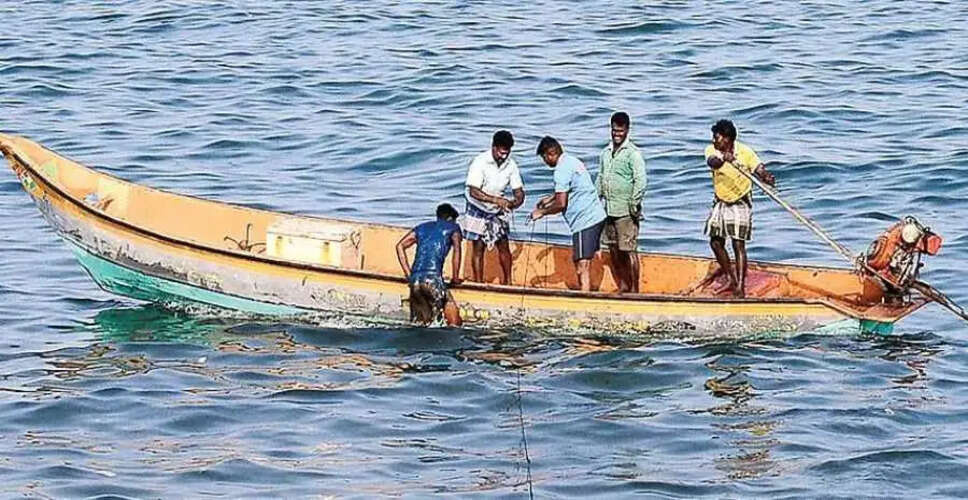

Sri Lankan Navy Intercepts Indian Fishermen
In a recent incident, the Sri Lankan Navy apprehended nine Indian fishermen and confiscated their fishing trawler for allegedly breaching the International Maritime Boundary Line (IMBL) and conducting illegal fishing within Sri Lankan waters. This event adds to the ongoing dispute regarding fishing rights between India and Sri Lanka.
The Sri Lankan Navy reported that the arrests occurred during a maritime surveillance operation, where a significant number of Indian fishing vessels were spotted operating in their territorial waters.
The fishermen were intercepted north of Talaimannar after reportedly entering Sri Lankan waters without permission.
According to the Navy, over 50 Indian fishing trawlers were detected in Sri Lankan waters south of Iranativu, actively engaged in fishing when the operation commenced.
During this enforcement action, one trawler was stopped, leading to the detention of the nine fishermen aboard.
The authorities also seized the fishing vessel. The detained fishermen and the confiscated trawler were subsequently handed over to the Fisheries Inspector in Mannar for legal proceedings under Sri Lankan fisheries regulations.
The identities of the detained fishermen have not been made public.
These arrests occur amidst ongoing tensions regarding fishing rights, a sensitive issue in India-Sri Lanka relations.
Fishermen from Tamil Nadu have consistently requested access to traditional fishing areas in the Palk Strait, while Sri Lanka has enforced strict measures against what it deems illegal fishing in its waters.
In recent years, Sri Lankan authorities have increased maritime patrols to prevent cross-border fishing, particularly targeting mechanized bottom trawlers, which they claim severely damage marine ecosystems and the seabed.
Conversely, Indian fishermen argue that declining fish populations and the close proximity of the maritime boundary often lead to accidental crossings.
As of April 15 this year, official statistics from the Sri Lankan Navy indicate that 128 Indian fishermen have been arrested and 18 Indian fishing trawlers seized for alleged poaching in Sri Lankan waters.
The Palk Strait, which separates northern Sri Lanka from Tamil Nadu, is known for its rich fishing resources.
This narrow waterway has historically been a point of contention, with fishermen from both nations frequently detained for allegedly crossing the maritime boundary.
Despite periodic diplomatic discussions between New Delhi and Colombo aimed at resolving the issue, arrests and vessel seizures continue to occur regularly.