
New Visa Regulations for International Students in the US: What You Need to Know
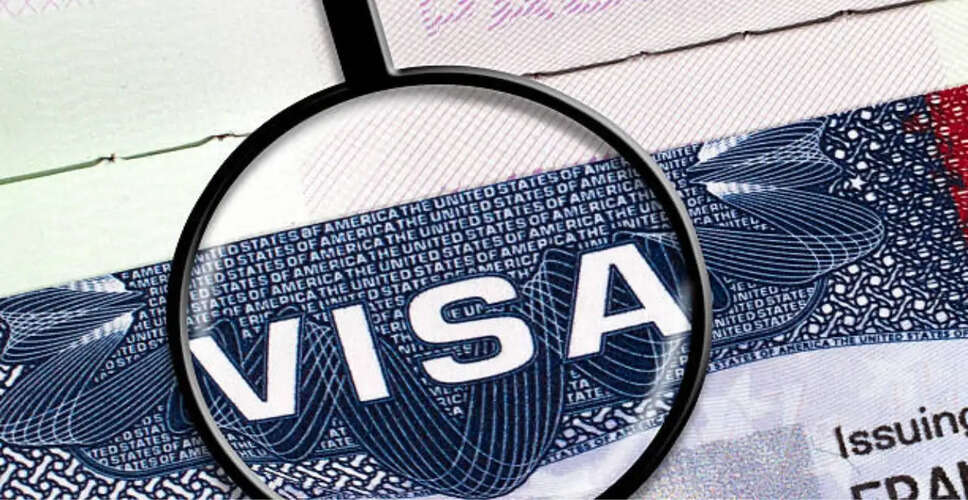

Changes to Visa Regulations for International Students
International students in the United States, including over 331,000 from India, may soon encounter stricter immigration regulations as the US Department of Homeland Security (DHS) has finalized a new rule. This regulation replaces the longstanding "duration of status" system with fixed visa terms. Under the updated guidelines, F-1 visa holders will typically be allowed to remain in the US for a maximum of four years. Students whose academic programs extend beyond this timeframe will need to apply for an extension before their authorized stay ends to avoid losing their legal status.
The new rule also sets fixed stay periods for J-1 exchange visitors and I visa holders, which includes foreign journalists. Before implementation, this measure must undergo congressional review.
End of the Duration of Status System
For many years, international students on F-1 visas could stay in the US as long as they maintained full-time enrollment and adhered to visa conditions under the "duration of status" policy. The new DHS regulation puts an end to this arrangement. Students enrolled in programs that last longer than four years will now require prior approval from DHS to extend their stay. This requirement will also apply to J-1 visa holders, including exchange visitors, researchers, and scholars.
The Trump administration has stated that these changes aim to enhance oversight of temporary visa holders and bolster national security.
Recent Immigration Tightening
This rule is part of a broader trend of immigration measures introduced by the Trump administration that impact international students. Over the past year, DHS has intensified scrutiny of student visas, targeting alleged visa fraud and violations. Additionally, the administration has modified the H-1B visa lottery system, which affects many graduates seeking employment after their studies.
Impact on Indian Students
The new policy is expected to significantly affect Indian students, who currently make up the largest group of international students in the US. According to the Open Doors 2024 report, more than 331,000 Indian students were enrolled in US colleges and universities during the 2023–24 academic year, representing nearly 30% of all international students. Many Indian students pursue doctoral degrees, research-based master's programs, medical training, and specialized engineering courses that often require more than four years to complete. Under the new regulations, these students will need to secure DHS approval to extend their legal stay if their studies exceed the initial four-year limit.
Concerns About Unlawful Presence
A major concern regarding the new rule is the risk of students falling into unlawful status if their extension requests are delayed. Unlike the current system, students whose authorized stay expires could start accumulating unlawful presence immediately if they fail to obtain an extension on time. Education experts caution that administrative delays or paperwork issues could leave students vulnerable, even if they remain enrolled in their academic programs. Although the regulation has been finalized, it will not take effect immediately and must first complete congressional review before an implementation date is set. Until then, the existing duration of status system remains in place.