
New Maritime Threat: Baloch Insurgency Targets Pakistan Coast Guard
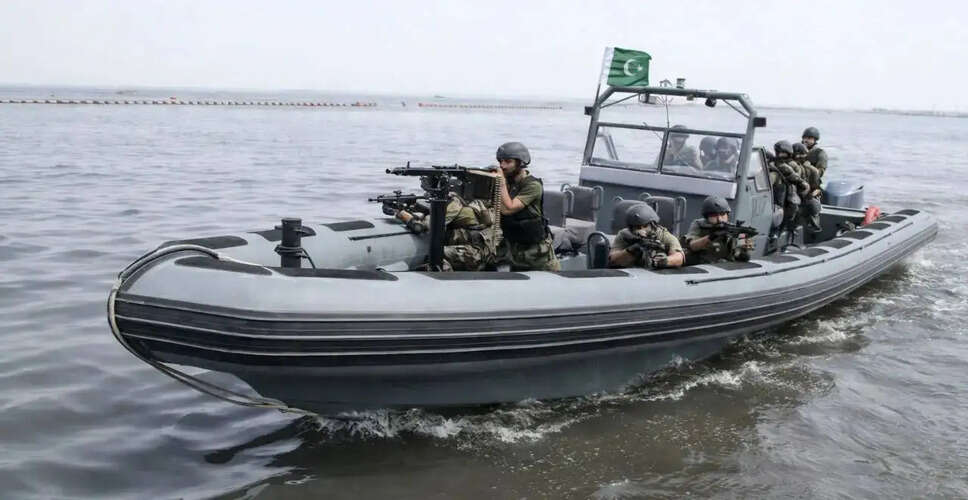

Significant Attack on Pakistan Coast Guard
A recent assault on a Pakistan Coast Guard patrol vessel near Gwadar has added a new layer to the ongoing insurgency in Balochistan. This incident took place in the coastal waters of Jiwani, where armed militants attacked a Coast Guard boat during a standard patrol. Officials report that three personnel, identified as Naik Afzal, Soldier Jameel, and Soldier Omar, lost their lives in what is being described as an unprecedented maritime strike. The Baloch Liberation Army (BLA) has claimed responsibility, labeling the operation a “naval attack” and indicating a strategic escalation in their tactics.
A Shift in Tactics: From Land to Sea
From Hills To High Seas: A Tactical Evolution
Historically, Baloch insurgent groups have focused their efforts on inland operations, targeting military convoys, infrastructure, and security facilities. However, this latest attack suggests a potential shift in their operational strategy. The BLA's statement indicates that this marks the initiation of operations “within maritime boundaries,” positioning it as part of a larger strategy to contest the exploitation of Baloch resources via sea routes. Security experts warn that if this trend continues, it could complicate Pakistan’s security dynamics significantly, as maritime zones require different surveillance and operational strategies compared to land-based counter-insurgency efforts.
The Strategic Importance of Gwadar
Why Gwadar Matters In This Escalation
The location of the attack enhances its importance. Gwadar is a crucial element of Pakistan’s coastal infrastructure, central to various economic and strategic initiatives, including connectivity corridors and energy routes. Disruptions in its adjacent waters could have far-reaching consequences beyond local security concerns. Jiwani, situated near the Iran-Pakistan maritime boundary, has historically been less militarized than Gwadar port itself. The targeting of a patrol vessel in this region indicates that insurgents may be testing the vulnerabilities of maritime defenses.
A Broader Message Beyond the Attack
A Signal, Not Just An Attack
While the immediate impact of this incident is limited, its implications are significant. The BLA’s communication suggests a desire to expand the conflict beyond isolated strikes, indicating a broader strategy to engage in maritime operations. This move appears to be a test of both their capabilities and the response mechanisms of Pakistani forces. For the military, this may require a reassessment of deployment strategies, including improved coastal surveillance, naval coordination, and intelligence sharing.
Looking Ahead: The Future of the Insurgency
What Comes Next
The pressing question now is whether this incident was an isolated event or the start of a more sustained campaign. If it is the latter, it could signify a pivotal moment in the Baloch insurgency, where the conflict extends beyond land into vital maritime territories. This shift could have significant implications not only for Pakistan but also for the overall stability of the Arabian Sea region, which is already influenced by strategic competition and economic interests.