
New Footage Emerges from Tragic US Aviation Disaster
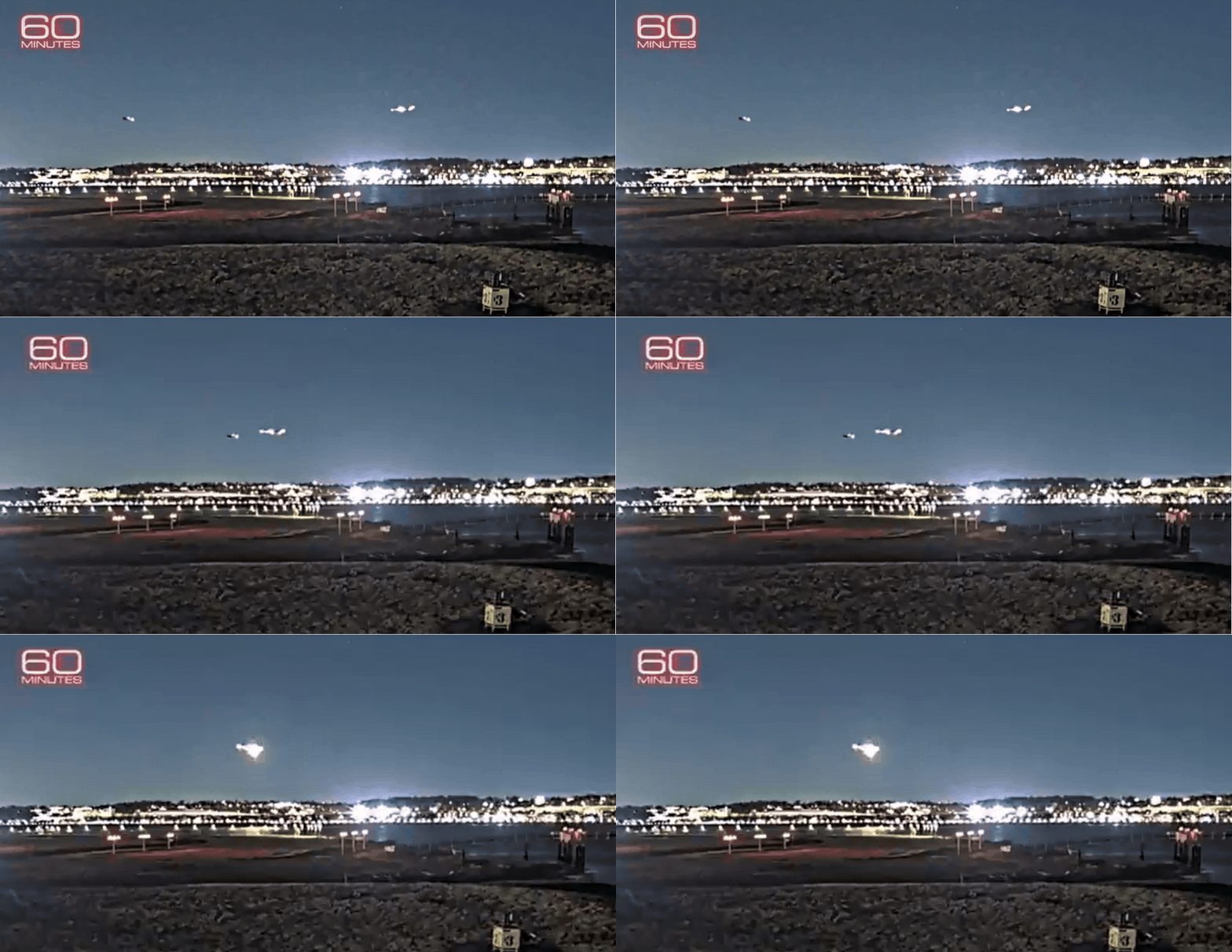
Chilling Visuals of the Collision
Recently released footage from one of the most catastrophic aviation incidents in the United States last year has come to light, showcasing the harrowing moment when an American Airlines regional jet collided mid-air with a US Army Black Hawk helicopter close to Ronald Reagan Washington National Airport. The footage, broadcast by a prominent news program, captures the passenger plane as it approaches for landing, only to suddenly strike the military helicopter. Shortly thereafter, a massive fireball erupts in the sky, with thick smoke billowing as both aircraft descend into the Potomac River. This video provides a haunting look at the final moments of this tragic event, which resulted in the deaths of all 67 individuals on board, including 64 passengers and crew members from the American Airlines flight and three personnel from the helicopter.
Government's Response to the Collision
Government Acknowledgment of Liability
The US Justice Department has acknowledged the federal government's responsibility in the deadly collision that occurred on January 29. They stated that they "owed a duty of care to plaintiffs, which it breached, thereby proximately causing the tragic accident" and noted that the pilots of both the Army helicopter and the regional jet "failed to maintain vigilance to see and avoid each other." National Transportation Safety Board Chair Jennifer Homendy expressed her dismay that the FAA did not recognize that the helicopter's flight path during the incident did not allow for sufficient separation from aircraft landing on Reagan's secondary runway. She criticized the FAA for not including detailed information about helicopter routes in pilots’ charts, which could have helped them better assess the risks involved. In response, the FAA announced a reduction in hourly plane arrivals at Reagan from 36 to 30 and an increase in staffing. They stated, "We will diligently consider any additional recommendations" from the NTSB.