
Netanyahu Faces Political Turmoil Amid Criticism Over Military Campaigns
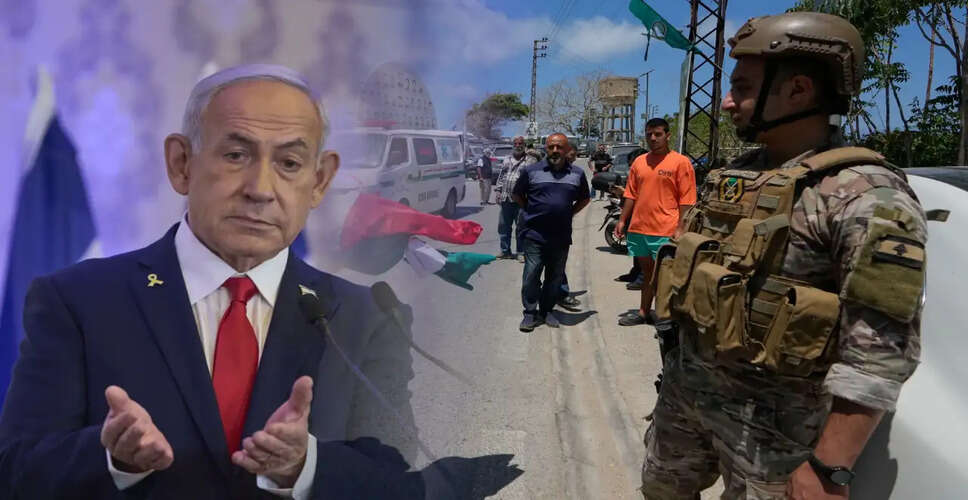

Political Challenges for Netanyahu
Israeli Prime Minister Benjamin Netanyahu is entering a potentially tumultuous period in his lengthy political career as he faces increasing scrutiny regarding the results of Israel's military operations, tensions with the United States, and the overall trajectory of Israeli foreign policy. With elections anticipated by October, critics assert that the Netanyahu administration has not successfully transformed military victories into enduring strategic benefits. Recent critiques have emerged following a US-mediated agreement concerning Iran and the associated ceasefire arrangements in Lebanon. While the Israeli government highlights military achievements during these conflicts, detractors argue that many of Israel's initial goals remain unmet. This discourse arises as Netanyahu's coalition grapples with mounting pressure over domestic challenges, security lapses, and ongoing corruption allegations that continue to overshadow his leadership.
Opposition Voices Concerns
Opposition leader Yair Lapid has become one of the most outspoken critics of the current government. In a recent post on X, Lapid expressed that Israel's diplomatic standing is rapidly declining, pointing to tensions involving US Vice President JD Vance, Israeli ministers, and increasing friction with vital international allies. He warned, "If we don't swiftly replace this government, Israel's foreign relations will be obliterated," linking recent diplomatic disputes to broader worries about the government's performance.
Iran Deal and Lebanon Ceasefire Spark Debate
A significant portion of the criticism directed at Netanyahu stems from the belief among his opponents that the conflicts with Iran and Hezbollah concluded before Israel achieved its declared objectives. Netanyahu has consistently framed these conflicts as part of a larger strategy to reshape the Middle Eastern landscape and eliminate long-term threats to Israeli security. However, the US's decision to engage in diplomatic negotiations with Iran has raised concerns within segments of Israel's political landscape. Critics argue that Iran's political structure remains intact, Hezbollah continues to function as a military entity in Lebanon, and Hamas still holds sway in Gaza despite nearly two years of conflict.
Concerns Over US Military Support
The political discourse has also broadened beyond military engagements. Comments from political analyst Ofer Binshtok have ignited discussions regarding Israel's long-term reliance on American military systems, particularly following reports of US officials criticizing Israeli policy decisions. Binshtok contended that Washington played a pivotal role in fostering Israel's dependence on American defense platforms, referencing the cancellation of Israel's Lavi fighter aircraft program in the 1980s as a result of US pressure. He argued that critiques of Israel's reliance on US weaponry overlook the historical context that led to such dependence, resonating with segments of Israel's security community that are increasingly advocating for greater strategic independence amid occasional disagreements with Washington.
Upcoming Elections and Netanyahu's Future
Netanyahu has confirmed his plans to run in the upcoming elections, which are required to take place by October. Despite opinion polls indicating challenges for his current coalition, many analysts are hesitant to dismiss the possibility of another political resurgence from Israel's longest-serving prime minister. His supporters continue to depict him as the leader who resisted international pressure regarding Palestinian statehood and maintained a firm stance against Iran and its regional allies. Officials from Likud argue that the recent conflicts showcased Israel's military capabilities, even if they concluded through diplomatic means rather than outright military victories.