
Nebraska Wildfires Devastate Grazing Lands, Impacting Cattle Industry
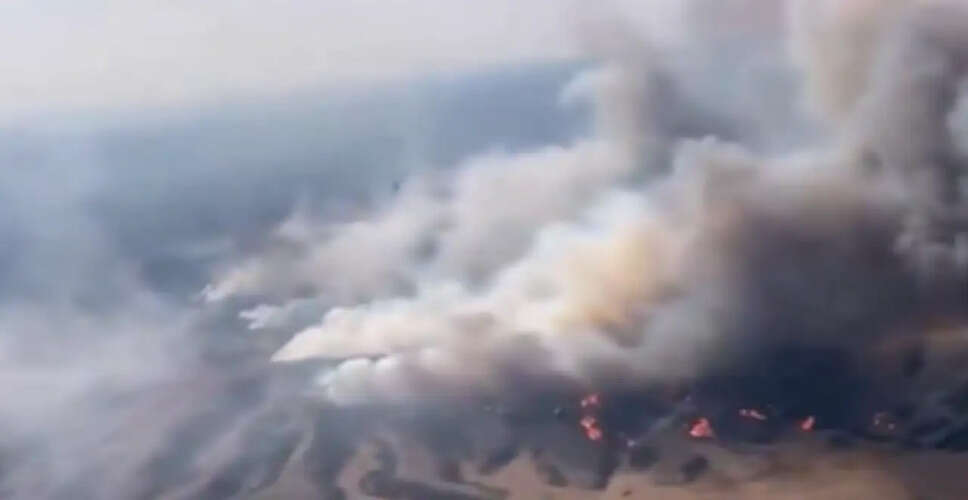
Wildfires Ravage Nebraska
Since last week, wildfires have consumed nearly 775,000 acres in Nebraska, an area comparable to Rhode Island, as reported by the Nebraska Emergency Management Agency. The exact causes of these fires are still under investigation. The most significant fire, known as the Morrill Fire, was approximately 67% contained by Thursday after it was first detected on March 12.
Aerial footage shows massive wildfires burning across Nebraska, where more than 500,000 acres have burned in just a few days. pic.twitter.com/K3zPX8h31J
— Breaking911 (@Breaking911) March 15, 2026
The fires have been fueled by strong winds and have devastated grazing lands in the nation’s second-largest cattle-producing state. Sherry Vinton, the Nebraska Department of Agriculture Director and a fifth-generation rancher, emphasized the agricultural implications, stating, "This will have a definite impact because you are in the heart of cattle country there and that's the area where you're going to primarily have breeding stock."
Consequences for Grazing Resources
What the Loss of Grazing Land Means
The scorched land equates to grazing resources for around 40,000 cattle, according to Vinton. While cattle fatalities due to the fires are believed to be low, the loss of land poses a more significant issue. Ranchers who were beginning to expand their herds now face a challenging situation. Without alternative pastures or feed, their growth plans may need to be postponed. Additionally, the fires have destroyed fencing and hay reserves that producers had accumulated as a safeguard against dry spells.
🚨 Massive wildfires raging in NebraskaMultiple blazes have burned over 600k acres, including the Morrill Fire, the largest in the state’s history at ~460,000 acres-1 person confirmed dead-Jim Pillen declared a state emergency & mobilized the National Guard#Nebraska #sstvi pic.twitter.com/1niYJgQVf7
— GlobeUpdate (@Globupdate) March 16, 2026
Brenda Masek, a producer from Purdum, Nebraska, and former president of the Nebraska Cattlemen, remarked, "If we don't get rain, there's going to be a lot of cattle that are unfortunately going to have to hit the markets or be shipped to a feedlot." She added that the fires would significantly hinder herd expansion. Producers estimate that it could take one to three years for the burned sandy soil to fully recover, which poses serious challenges for those looking to grow their operations.
Challenges for the Cattle Industry
Already Starting From a Difficult Position
The wildfires strike at a time when the U.S. cattle industry is already facing difficulties. Over the past seven years, cattle inventories have plummeted to a 75-year low due to ongoing drought, rising feeding costs, and producers opting to sell animals for slaughter instead of breeding. This reduction in supply has driven beef prices to unprecedented levels and squeezed profits for meatpackers. Earlier this year, Tyson Foods shut down a major beef processing plant in Nebraska as a result.
A larger national herd could boost beef production and help lower prices. However, the recovery process has been painfully slow, hindered by persistent drought, high interest rates that complicate expansion, and ranchers' uncertainty regarding the stability of cattle prices.