
NATO Summit in Ankara: Addressing Complex Challenges Ahead
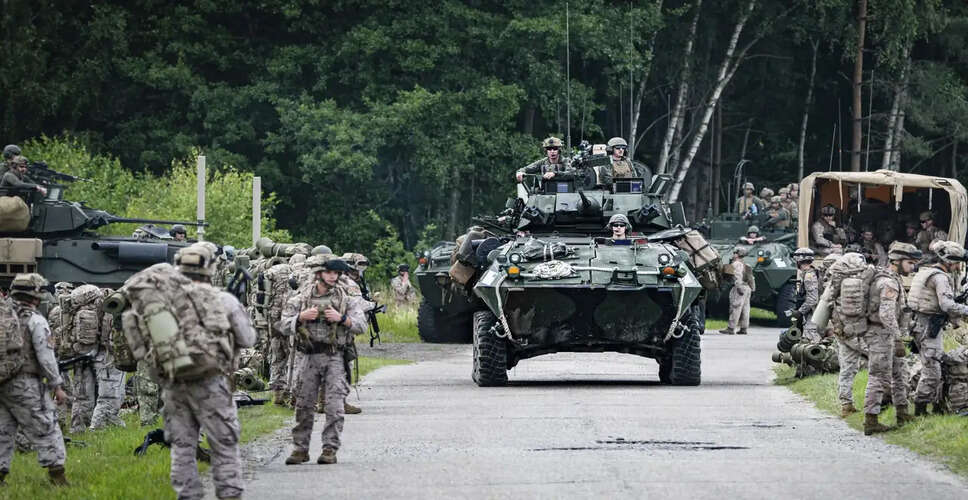

NATO Leaders Gather Amidst Multiple Challenges
As NATO leaders convene in Ankara for their summit on July 7-8, they face a daunting array of issues without straightforward solutions. The alliance is focused on ensuring the United States remains fully engaged, encouraging European nations to take greater responsibility for their defense, and transforming increased military budgets into effective weaponry and deployable forces. The ongoing conflict between Russia and Ukraine continues to be a significant concern, with NATO countries financing Ukraine while simultaneously rebuilding their own military capabilities in response to what officials describe as a long-term security threat from Moscow. Although discussions about the Iran conflict may arise, the primary focus of the summit will remain on NATO's core mission: defense and deterrence.
Maintaining US Commitment to NATO
Can NATO Keep Trump And The US Fully Committed?
A key political challenge is ensuring that US President Donald Trump remains committed to NATO and, importantly, to Article 5, which asserts that an attack on one member is an attack on all. This relationship has faced significant strain this year, with Trump's controversial demands regarding Greenland and dissatisfaction with allies' responses to the Iran situation. The President has labeled NATO a 'paper tiger' and has hinted at the possibility of withdrawing from the alliance.
NATO Secretary-General Mark Rutte has invested considerable effort in managing this relationship, combining personal diplomacy with data on defense spending to demonstrate that European nations are, albeit unevenly, progressing towards the targets set by Washington. The primary concern within NATO is clear: while budget disputes can be resolved, ongoing uncertainty regarding the US's commitment to collective defense poses a far greater risk, as deterrence relies on adversaries believing in the alliance's unity before a crisis arises.
Europe's Role in Defense
Can Europe Take Over More Of Its Own Defence?
The Trump administration has urged European nations to take the lead in defending the continent, allowing the US to redirect military resources towards the Indo-Pacific, where the focus is on the challenges posed by China. This transition is already underway, with the US reducing certain military capabilities available to NATO during crises, although European allies have largely filled these gaps. US Defense Secretary Pete Hegseth has indicated a review of American troop deployments in Europe and has threatened to withhold some US contributions to NATO if allies labeled as 'free-riders' do not meet their defense spending obligations. This rhetoric has intensified discussions that gained momentum following Russia's invasion of Ukraine, with European governments acknowledging the need to enhance their military contributions, though debates persist regarding the pace and predictability of these changes.
Challenges in Defense Spending
The 5% Spending Pledge Is The Easy Part — Paying For It Is Harder
During last year's summit in The Hague, NATO leaders committed to a significant increase in defense spending, pledging to allocate 5% of GDP to defense and related measures over the next decade. This includes 3.5% for core defense needs and 1.5% for broader security measures. According to NATO data, European allies and Canada increased their defense spending by 20% in real terms in 2025 compared to the previous year. However, many governments are still not on track to meet these new targets, as domestic political pressures complicate the allocation of higher military budgets against competing needs like healthcare and infrastructure.
Production and Supply Chain Issues
More Money, But Where Are The Weapons?
Despite the significant financial commitments to defense, the challenge lies in the actual production of military equipment. While billions are being allocated, the transition from budget approval to the delivery of essential military assets like artillery and armored vehicles is slow. NATO members are expected to announce substantial contracts in Ankara, yet there is frustration over the sluggish pace of industrial expansion, with orders often taking years to fulfill. The alliance's leadership is urging defense manufacturers to collaborate, increase production capabilities, and expedite delivery timelines. The defense industry in Europe has been operating in a low-demand environment since the Cold War, and reversing this trend requires substantial investment in factories, skilled labor, and secure supply chains.
Long-Term Deterrence Strategies
How Does NATO Deter Russia For The Long Term?
Russia remains a central focus of NATO's military strategy. Leaders in Ankara are expected to reaffirm Moscow as a long-term threat to Euro-Atlantic security, even as the conflict in Ukraine persists. NATO officials recognize that while the Russian economy is under strain, it is crucial not to underestimate Moscow's military capabilities. Nearly half of Russia's state budget is now allocated to defense, indicating a sustained commitment to military readiness. For NATO, effective deterrence involves more than just troop numbers; it encompasses ammunition supplies, air defense systems, and the ability to sustain prolonged operations.
Financial Support for Ukraine
Can Europe Keep Paying For Ukraine?
Ukraine poses a dual financial and military challenge for NATO. European members continue to support Kyiv financially, but this commitment is increasingly at odds with the need to rebuild their own military forces. Assistance to Ukraine comes through various channels, including bilateral military aid and EU loans. While European leaders publicly endorse ongoing support for Ukraine, there are underlying tensions regarding equitable burden-sharing among member states. The situation will become more complex if the conflict persists without a resolution, as governments are tasked with financing Ukraine, meeting NATO's spending targets, and enhancing their national military capabilities simultaneously. This presents a significant test for NATO as it seeks to balance these competing demands while maintaining unity and demonstrating its commitments to both Washington and Moscow.