
Moody's Lowers India's Economic Growth Forecast Amid West Asia Conflict

Economic Growth Projections Adjusted
Moody's, a prominent global ratings agency, has revised its economic growth forecast for India for the fiscal year 2026-27, lowering it to 6% from a previous estimate of 6.8%. This adjustment is attributed to the ongoing conflict in West Asia, as reported by various news sources.
In a credit assessment released on March 31, Moody's highlighted that extended disruptions, particularly in the supply of liquefied petroleum gas (LPG), could lead to immediate shortages for households, increased transportation costs, and a rise in food inflation due to India's reliance on imported fertilizers.
The agency indicated that the anticipated slowdown in real GDP growth to 6% this fiscal year would stem from “weaker private consumption, reduced industrial activity, and a decline in gross fixed capital formation momentum, all exacerbated by high prices and increased input costs.”
Moody's also forecasted that average inflation in India would escalate to 4.8% in 2026-27, a significant rise from 2.4% in 2025-26. The report noted that while inflation is currently under control, geopolitical tensions have shifted the inflation outlook upwards.
Furthermore, the agency suggested that policy rates might remain stable or see gradual increases in 2026-27, depending on the duration of the conflict and its impact on fuel and food prices.
Since the onset of the conflict on February 28, Iran has largely blocked the Strait of Hormuz, a vital maritime route for commercial shipping.
India relies on imports for approximately 60% of its LPG needs, with around 90% of these imports passing through the Strait.
Additionally, about 55% of India's crude oil imports originate from West Asia. The Indian government has reported that since the conflict began, 70% of the country's crude oil imports are now being redirected from routes outside the Strait of Hormuz.
In response to the disruptions, the government initially reduced LPG supplies to commercial entities, prioritizing domestic needs. On March 27, the government raised the commercial allocation of LPG to 70% of pre-conflict levels, up from 50%.
However, on April 1, the price of commercial LPG saw an increase of Rs 195.5, bringing the cost of a 19-kg commercial LPG cylinder in Delhi to Rs 2,078.5.
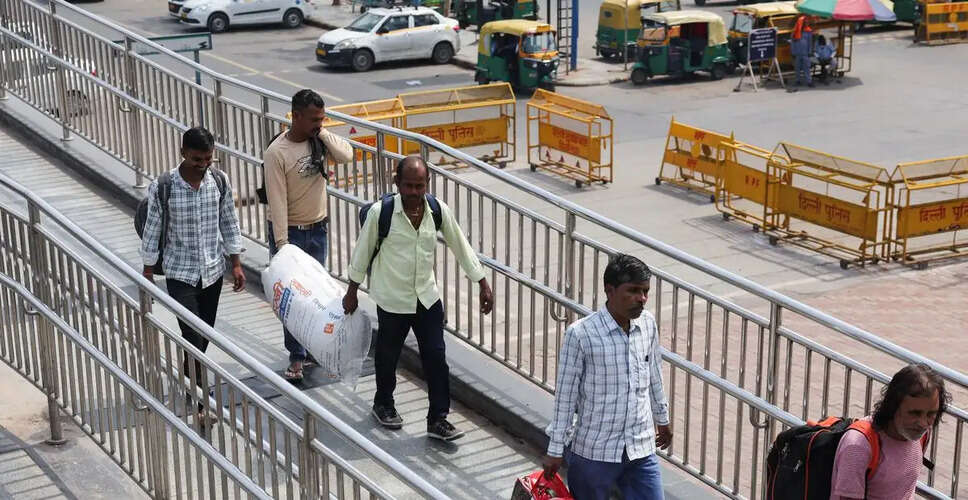
These disruptions have resulted in temporary restaurant closures and reports of migrant workers returning home due to inflated black market prices for LPG cylinders and job losses.
Also read: Why the LPG crisis is reviving pandemic fears among migrant workers
Moody's prediction of a slowdown aligns with estimates from the Organisation for Economic Cooperation and Development, which anticipates India's GDP growth to decrease to 6.1% in 2026-27 from 7.6% the previous year.
Additionally, a report from an accounting firm indicated that if the West Asia conflict continues through 2026-27, India's real GDP growth could decline by about 1 percentage point, with retail inflation potentially rising by 1.5% over baseline estimates.