
Mojtaba Khamenei Appointed as Iran's New Supreme Leader Amidst Turmoil
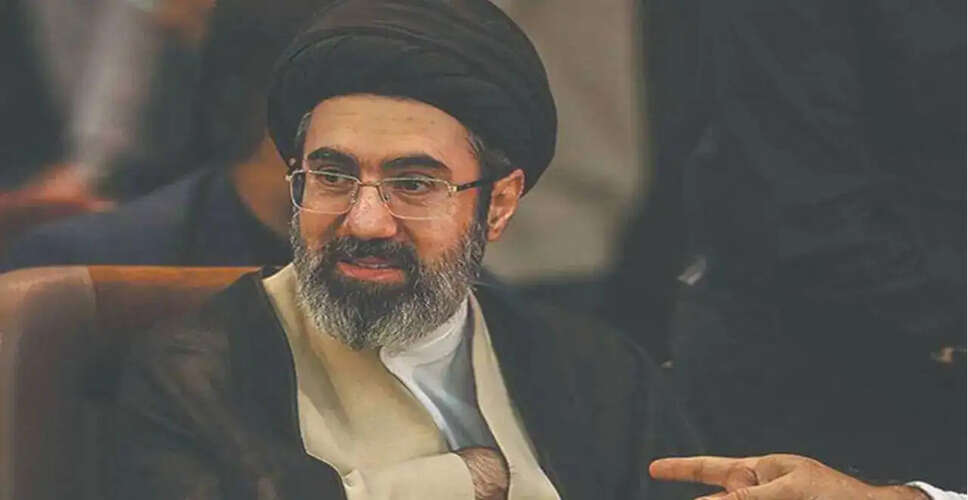
Mojtaba Khamenei Takes the Helm
In a significant development early Monday, Iranian state media announced the appointment of Mojtaba Khamenei, the 56-year-old son of the recently deceased Ayatollah Ali Khamenei, as the new supreme leader of Iran. This marks only the third transition of this pivotal role since its establishment after the 1979 Islamic Revolution. The inaugural supreme leader was Ayatollah Ruhollah Khomeini, followed by Ali Khamenei, who held the position for nearly 37 years until his death due to US-Israeli strikes. Mojtaba's selection occurred under extraordinary circumstances, as clerics convened virtually after an Israeli missile targeted their usual meeting place in Qom, which was left vacant at the time of the attack.
Understanding Mojtaba Khamenei
Who is Mojtaba Khamenei?
Details about Mojtaba remain scarce, as he has largely operated behind the scenes, managing military and intelligence operations without much public exposure. He seldom speaks in public and is rarely seen. However, he possesses the necessary religious credentials of an ayatollah, a qualification his father lacked at the time of his rise. Mojtaba has taught popular classes in Shiite seminaries and has strong connections with the Islamic Revolutionary Guard Corps, which has been a significant supporter of his ascension.
In the past week, he has endured immense personal tragedy, losing not only his father but also his wife, Zahra Adel, his mother, Mansoureh Khojasteh Bagherzadeh, and one of his sons due to the ongoing conflict.
The Late Ayatollah's Wishes
Why His Father Didn't Want This
Adding complexity to the situation, sources familiar with the selection process revealed that the late Ayatollah Ali Khamenei had expressed to his close advisers that he did not wish for his son to succeed him. This reluctance stemmed from the ideological foundation of the Islamic Republic, which was established to reject hereditary rule. The transfer of power from father to son seemed to contradict the revolution's promise to eliminate dynastic leadership.
Despite these concerns, a majority of the 88 clerics in the Assembly of Experts advocated for Mojtaba, arguing that selecting his son would honor the legacy of the late Ayatollah, especially after his death at the hands of foreign powers. The IRGC's backing played a crucial role in this decision, alongside support from veteran politician Ali Larijani, who has been a key figure in the current crisis.
Candidates Considered
Who Else Was in the Running
Two other candidates were also in contention for the position. Alireza Arafi, a cleric and jurist, was part of a transition council formed after Khamenei's death. Seyed Hassan Khomeini, a grandson of the revolution's founder, was viewed as a moderate with connections to the reformist faction. Ultimately, both candidates were unsuccessful, and the IRGC's preferred choice prevailed.
The Broader Implications
The Bigger Picture
Iran has had only three supreme leaders since its inception, with the role serving as the ultimate authority in the nation, overseeing the armed forces and major state decisions while representing the Islamic Republic both domestically and internationally. Mojtaba Khamenei now inherits this significant responsibility amidst ongoing US and Israeli military actions, as he directs missile and drone operations across the region. His ability to navigate these challenges remains uncertain.