
Markwayne Mullin Takes Charge as New Head of Homeland Security
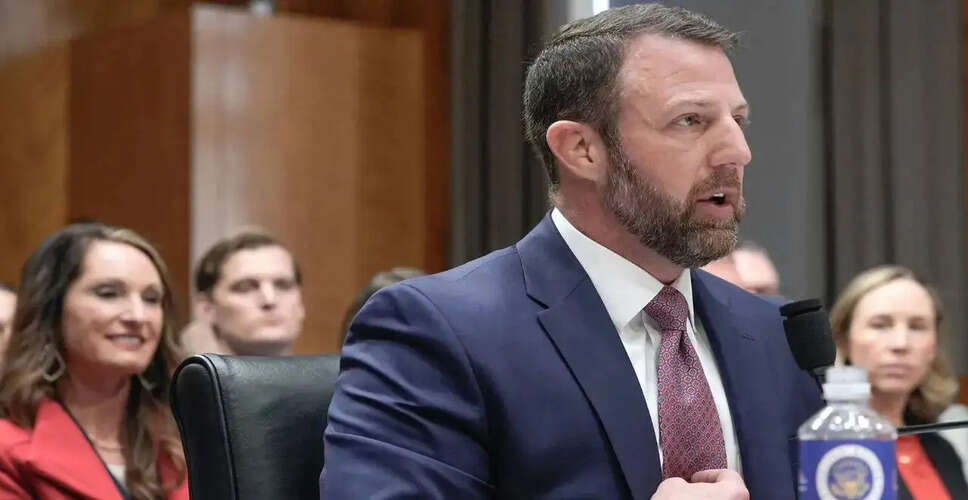
Markwayne Mullin's Confirmation
Markwayne Mullin has officially been appointed as the head of the Department of Homeland Security (DHS) following a Senate vote that confirmed him with a tally of 54-45 on March 23. The Republican from Oklahoma steps into a role that is currently under intense scrutiny, particularly regarding immigration policies, agency morale, and ongoing funding disputes that have impacted various operations within DHS. While the confirmation largely followed party lines, it did see some bipartisan support, with Democratic senators John Fetterman and Martin Heinrich voting in favor, while Republican Senator Rand Paul opposed him.
Before his Senate tenure, which began in 2023, Mullin served for ten years in the House of Representatives, representing Oklahoma. His biography highlights his background as a business owner and rancher, but he is also known for his past as a mixed martial arts fighter, which contributes to his distinctive political persona that combines physicality with a disciplined message.
Transition from Oklahoma Politics to Homeland Security
Mullin is a member of the Cherokee Nation, which often leads to searches related to his Native American identity. However, it is essential to clarify that he is a Native American politician rather than being categorized simply as 'Indian' in a national context. In Congress, he is recognized as one of the more prominent Native American Republicans, although his political identity is more closely tied to his alignment with Donald Trump and his assertive public demeanor.
His appointment to DHS signifies a level of trust from the White House, as reports indicate he was selected to succeed Kristi Noem after her leadership faced criticism. President Trump endorsed Mullin, calling him 'just the right guy.' During his confirmation hearing, Mullin emphasized a leadership style focused on empowerment, suggesting that judicial warrants should be necessary before agents conduct searches in homes and businesses, indicating a blend of strict border policies with a more stable managerial approach.
Controversies Surrounding Mullin's Confirmation
Mullin's nomination was not without its challenges, particularly due to Rand Paul's opposition. Reports highlighted that Paul, the sole Republican to vote against Mullin, criticized his temperament and past comments, including derogatory remarks directed at Paul and references to a 2017 incident involving an attack on Paul by a neighbor. This personal conflict added a unique tension to what could have been a standard partisan confirmation process.
Despite the friction, Mullin garnered support from senators Heinrich and Fetterman, indicating he has established relationships across party lines that many Trump nominees lack. Heinrich noted that Mullin is not easily swayed in his opinions, while Fetterman had previously cast a crucial committee vote that advanced the nomination. Although this bipartisan backing does not equate to widespread Democratic trust, it illustrates that Mullin's personal connections in the Senate are stronger than his controversial national image might imply.
Now leading DHS, Mullin enters with limited experience in homeland security management but possesses considerable political support from the president. This combination positions him as a significant figure in the department. Rather than being a technocrat, he is a political strategist, a loyal ally of Trump, and a lawmaker known for his directness and confrontational style. The critical question remains whether his approach will help stabilize a troubled department or exacerbate the political tensions surrounding it. Markwayne Mullin has transitioned from being a senator in the spotlight to a cabinet official responsible for one of the most sensitive areas of the US government.