
Major Shift in Middle East: Iranian Leader Khamenei Assassinated by Israel and US
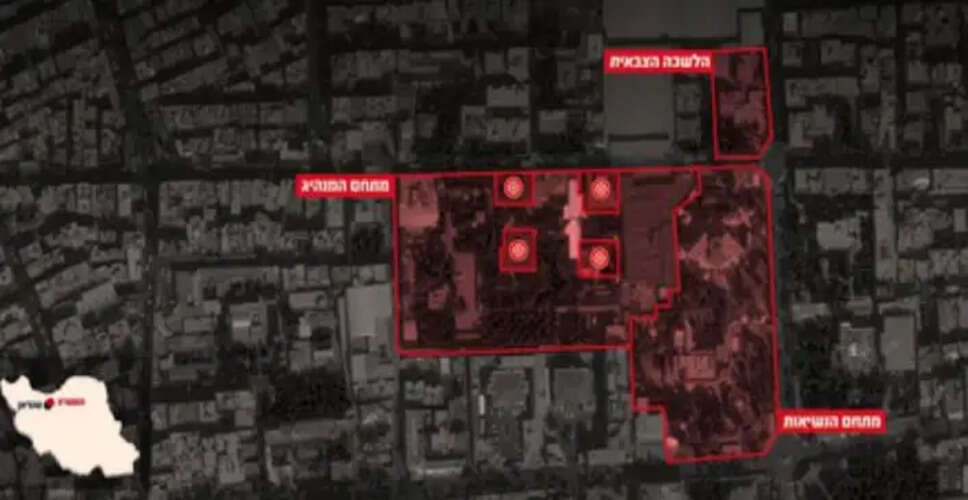
Significant Development in Tehran
Tel Aviv: The Israel Defence Forces (IDF) announced on Sunday that Iranian Supreme Leader Ayatollah Ali Khamenei was killed in a targeted operation within his leadership compound in Tehran. This event is being described as a pivotal moment in the ongoing conflict, marking the conclusion of a prolonged period of hostility directed at Israel.
The operation, executed in collaboration with US forces, signifies a turning point in the 46-year reign of Shia theocracy in Iran, with Tehran's response likely to ignite further unrest across the Middle East.
In their official statement, the Israeli military elaborated on the details of the strike, indicating that the Air Force, guided by precise intelligence from Military Intelligence, targeted the compound where Khamenei and other high-ranking officials were present.
The IDF characterized Khamenei as the leader of what they refer to as the Iranian 'terrorist regime' since 1989, accusing him of promoting extremist ideologies against Israel and Western nations. They further claimed he was 'directly responsible for the violent suppression of Iranian citizens for many years.'
The military described Khamenei as the architect of plans aimed at dismantling the State of Israel, labeling him the 'head of the Iranian octopus' that has extended its influence throughout the Middle East, particularly through the terrorist group Hezbollah. They asserted that he was accountable for numerous terrorist attacks against Israel and had blood on his hands from victims worldwide.
The IDF stated that this assassination is part of a larger strategy to eliminate key figures associated with what they term the 'Iranian terror axis.'
The military emphasized that Khamenei's death marks the end of a long chapter in their campaign against terrorism, aligning with previous eliminations of senior figures within this axis during the ongoing conflict.
The IDF's statement concluded by reaffirming their commitment to protect the State of Israel, vowing to confront any threats to its security at any time and place.
Earlier on the same day, the IDF reported that Israeli Air Force jets had conducted extensive strikes across Iran, dropping over 1,200 munitions in the last 24 hours.
The military claimed that these airstrikes targeted numerous Iranian military installations, including ballistic missile launchers and air defense systems, as part of their sustained offensive.