
Major Networks Opt Not to Air Trump's Election Security Speech Live
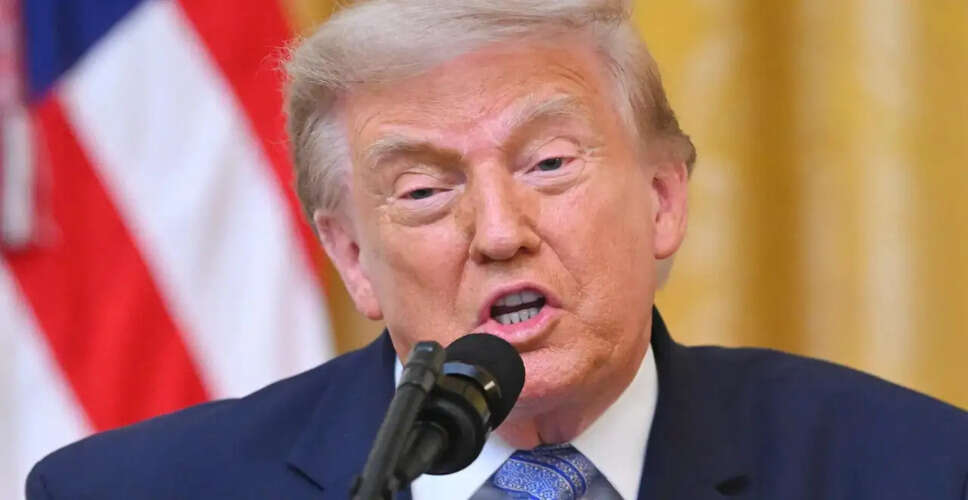

Overview of Trump's Speech Broadcast Decisions
President Donald Trump's address regarding election security was notably absent from live broadcasts on the primary channels of two of the three largest U.S. networks. CNN also opted out of airing it on its main cable channel, instead providing access through its digital platforms. This decision arises just four months ahead of the pivotal midterm elections, igniting discussions about the responsibilities of major networks in broadcasting presidential speeches.
Which Networks Covered the Speech?
ABC announced it would stream Trump's speech on ABC News Live and broadcast it via ABC News Radio, but not on its main television channel. Similarly, NBC planned to air the address on its free streaming service, NBC News NOW, rather than its primary broadcast channel. CNN stated it would monitor the speech for news updates while offering a live feed on its website and subscription service, CNN All Access, instead of its main cable network. These streaming platforms typically attract significantly fewer viewers compared to traditional television broadcasts. CBS did not provide a response regarding its plans, and Fox News, which has historically aired most of Trump's speeches live, also refrained from commenting.
Reasons Behind the Networks' Choices
Media analysts suggest that U.S. broadcasters enjoy extensive First Amendment rights, allowing them to choose what content to air. While it has been customary for networks to broadcast significant presidential addresses due to their public interest, there is no legal requirement to do so. This decision coincides with rising concerns that Trump might reiterate unverified claims about election fraud. During his speech, Trump declassified intelligence he claimed indicated Chinese interference in U.S. elections and reiterated his criticisms of election security, despite a U.S. intelligence assessment that found no evidence of Chinese influence on the 2020 election outcome, which he lost. Trump has consistently asserted, without substantiation, that the 2020 election was manipulated, alleging extensive fraud in mail-in voting and vulnerabilities in voting machines.
Political and Regulatory Context
This decision comes at a critical juncture for several major U.S. media companies. Disney, the owner of ABC, is currently under investigation by the Federal Communications Commission (FCC) for potential violations of equal-time rules related to its daytime program, The View. The FCC may initiate the process of revoking the licenses of Disney-owned ABC stations as soon as next month. Trump has also been vocal in his criticism of NBC and its parent company, Comcast, labeling the network as "a one-sided crooked network." Meanwhile, FCC Chair Brendan Carr expressed that he believed the broadcast networks should have aired Trump's speech, stating, "This is something that the American people have every right to be able to get over the airwaves." Additionally, Fox News may have been cautious due to a recent $787 million settlement over a defamation lawsuit concerning its coverage of false claims about the 2020 presidential election.