
Maharashtra-Karnataka Border Dispute: Government Restructures High-Level Committee
Background of the Border Dispute
The ongoing border dispute between Maharashtra and Karnataka traces its roots back to the State Reorganization Act of 1956, which aimed to reorganize states based on linguistic demographics. Effective from November 1, 1956, this act led to the division of states along language lines. Since its establishment on May 1, 1960, Maharashtra has asserted that certain areas, including Belagavi (formerly Belgaum), Karwar, and Nipani, along with 865 villages, should be incorporated into its territory. However, Karnataka has consistently rejected these claims, leading to a prolonged conflict.
Restructuring of the High-Level Committee
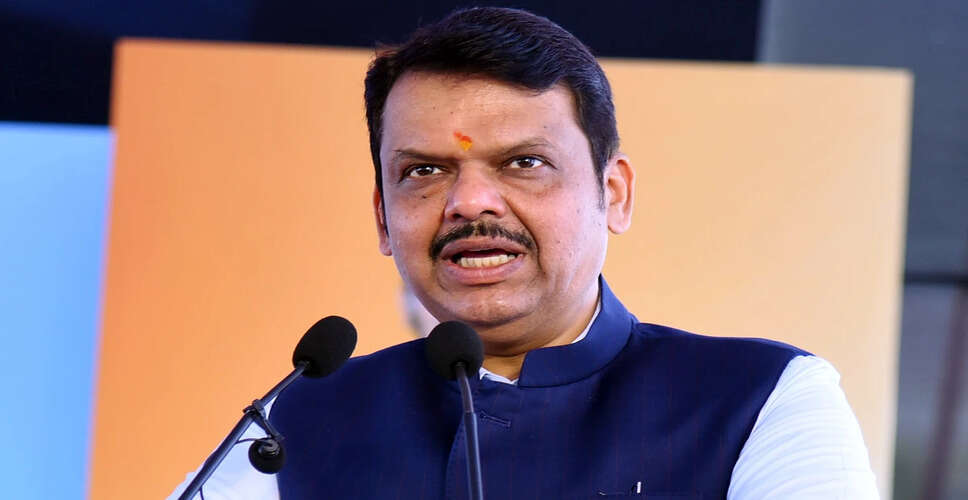
In a bid to resolve the long-standing border issue with Karnataka, the Maharashtra government has restructured its high-level committee. A government resolution issued on Thursday confirmed this reorganization, now led by Chief Minister Devendra Fadnavis. The decision to revamp the committee was made to ensure that significant decisions regarding the border dispute are reached through a consensus-based approach by a representative and impartial body.
The committee has undergone restructuring with each new government. Following the assembly elections last year, this latest reorganization comes under Fadnavis's leadership. The 18-member committee includes Deputy Chief Minister Eknath Shinde, Ajit Pawar, and former Chief Ministers Narayan Rane, Sharad Pawar, and Prithviraj Chavan.
Other members of the committee comprise legislators from the Nationalist Congress Party (NCP) such as Rohit Patil and Jayant Patil, along with ministers Chandrakant Patil, Shambhuraj Desai, Prakash Abitkar, Suresh Khade, and BJP legislator Sudhir Gadgil, Sachin Kalyan Shetty, and leaders of the opposition in the Assembly and Council. Notably, there is currently no opposition leader in the Maharashtra Assembly, and legislators from Shiv Sena (Uddhav Balasaheb Thackeray) and Congress have not been included in this high-level committee.
The border dispute originated in 1957 following the linguistic reorganization of states. Maharashtra has sought to include Belagavi, which was part of the former Bombay Presidency, due to its significant Marathi-speaking population. It has also claimed over 800 Marathi-speaking villages currently situated in Karnataka. Conversely, Karnataka maintains that the demarcation made based on the State Reorganization Act and the 1967 Mahajan Commission report should be regarded as final.