
Lebanon and Israel Engage in Critical Negotiations Amid Ongoing Conflict

Negotiations Resume in Washington
On Thursday, a third round of direct discussions commenced between Lebanon and Israel in Washington, coinciding with the impending expiration of a ceasefire that has failed to halt the ongoing violence. These two days of talks are being facilitated by the Trump administration, which is striving for a breakthrough between the two nations that have been in a state of conflict since Israel's establishment in 1948. Lebanese representatives are optimistic that these discussions will lead to a new ceasefire and address more profound issues, such as the withdrawal of Israeli troops from southern Lebanon and the disarmament of Hezbollah, the Iranian-backed militant group. Notably, Hezbollah is not participating in these negotiations and has publicly opposed Lebanon's engagement with Israel.
Elevated Diplomatic Engagement
Higher-Level Envoys This Time Around
The latest session signifies a heightened seriousness in the negotiations. Previous rounds were conducted by the ambassadors of both nations in Washington, but this time, higher-ranking officials are involved, indicating a shift towards more meaningful discussions. Lebanon's delegation includes Simon Karam, a prominent attorney and former ambassador to the U.S., who has experience in indirect negotiations with Israel regarding ceasefire matters. Israel's side is represented by Deputy National Security Adviser Yossi Draznin. Secretary of State Marco Rubio, who participated in the initial talks in April, was absent on Thursday due to a trip to China with President Trump.
Significant Disparities Persist
Wide Gaps Remain
Despite the upgraded format of the talks, significant differences remain between the two sides regarding their objectives. Israel's primary demand is the disarmament of Hezbollah, framing the discussions as a potential pathway to full diplomatic normalization. Conversely, Lebanon has resisted this narrative, advocating for a security agreement or armistice that would cease hostilities without necessitating normalization. President Trump has publicly suggested a direct meeting between Lebanese President Joseph Aoun and Israeli Prime Minister Benjamin Netanyahu, but Aoun has so far declined, a decision likely to be unpopular in Lebanon.
Escalating Tensions Amid Talks
A Drone Attack on the Day Talks Began
The precarious nature of the situation was evident on Thursday morning, just hours before the negotiations began. A drone from Hezbollah detonated within Israel, injuring three civilians, two of whom sustained severe injuries, as reported by the Israeli military and local hospitals. This incident marked the first time civilians were harmed by Hezbollah's projectiles since the ceasefire was enacted. Israel has been grappling with ongoing drone attacks from Hezbollah targeting its forces in southern Lebanon and northern Israel throughout the ceasefire period.
Continued Violence in Lebanon
Israeli Strikes Kill Dozens in Lebanon
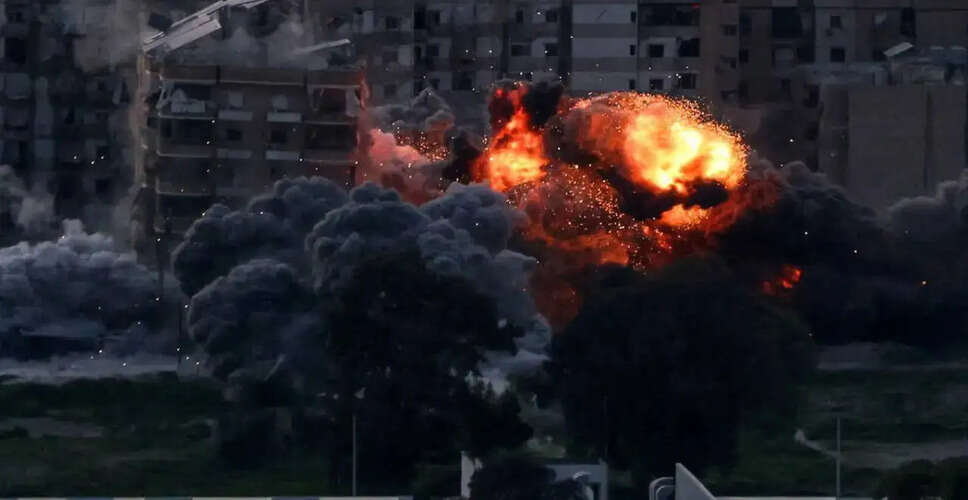
Israel has also persisted in its strikes against targets in Lebanon. On Wednesday, Israeli forces targeted seven vehicles, three of which were on a major highway south of Beirut, resulting in the deaths of 12 individuals, including a woman and her two children, according to Lebanon's Health Ministry. Additional strikes later that day in southern Lebanon claimed another 10 lives, six of whom were children. Since the conflict erupted on March 2, Lebanon's Health Ministry reports that 2,896 individuals have died, with approximately 400 fatalities occurring after the ceasefire was established on April 16. Additionally, around 8,824 people have been injured. On the Israeli side, the casualties include 18 soldiers, two civilians, and one defense contractor in southern Lebanon. The ceasefire, initially set for 10 days and later extended by three weeks, is nearing its expiration, raising questions about whether the current talks can yield a more sustainable resolution before the deadline.