
Lashkar-e-Taiba's Saifullah Kasuri Issues Stark Warnings Against Normalization with Israel

Kasuri's Hardline Stance on Israel
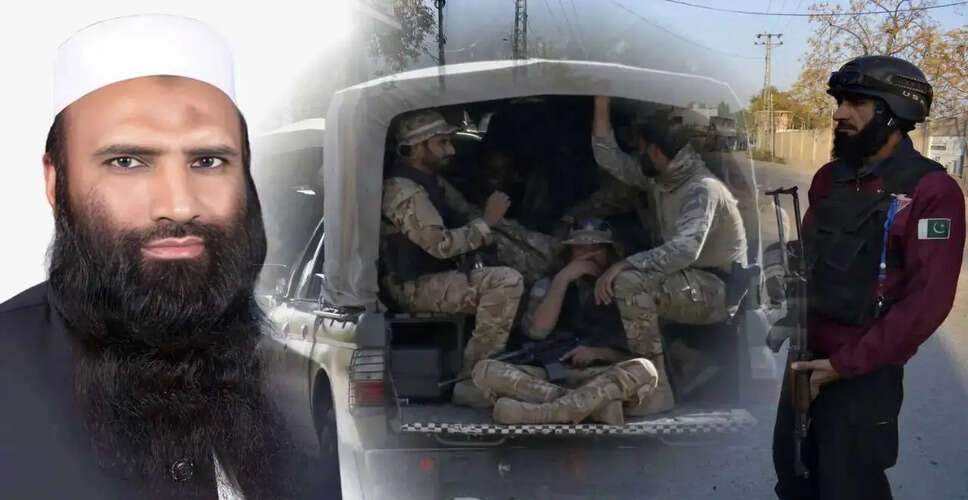
Saifullah Kasuri, the deputy chief of Lashkar-e-Taiba, has made a series of aggressive statements aimed at Muslim nations contemplating normalization with Israel. He cautioned that any leader or nation that accepts Israel would face “destruction” and “ruin.” This address, which has gained traction among regional security analysts, emerges during a critical geopolitical phase as discussions surrounding the Abraham Accords and Middle Eastern diplomacy evolve amidst the ongoing tensions with Iran. Kasuri, identified by Indian intelligence as a key figure behind the Pahalgam terror attack, firmly rejected any notion of recognizing Israel and positioned Pakistan as a pivotal military entity within the Islamic community. He stated, “If they sign thinking we too should accept the Jews of Israel, even though that cannot happen, whoever does so, whether they are a ruler, a king, or anyone else, whoever accepts Israel will be destroyed, devastated, and ruined.” He reiterated that the Muslim world would “never, under any circumstances” acknowledge Israel, consistently employing anti-Israel rhetoric throughout his speech.
Pakistan-Saudi Relations and Anti-Israel Sentiment
Kasuri Links Pakistan-Saudi Ties To Anti-Israel Narrative
A notable aspect of Kasuri’s speech was his reference to the Pakistan-Saudi defense agreement established in 2025. He attempted to portray this pact as an indication of Pakistan's strategic military alignment with Israel. “The distance from Pakistan to Israel was 4,000 kilometers. Today, Pakistan, with all its power, technology, and resources capable of destroying the enemy, is present just 400 kilometers away from Israel,” he asserted. Kasuri labeled Pakistan as the “defense leader of the Islamic world,” while referring to Saudi Arabia as its “spiritual and ideological leader.” Indian intelligence officials monitoring the address indicated that the messaging seemed aimed at merging jihadist ideology with the evolving geopolitical landscape surrounding Israel and the Abraham Accords. However, they emphasized that the Pakistan-Saudi security agreement mentioned by Kasuri is not intended for any military action against Israel. “The agreement is focused on broader security cooperation, not offensive deployment purposes 400 kilometers from Israel,” stated top Indian intelligence sources.
Context of Kasuri's Remarks
Remarks Come Amid Abraham Accords Debate
Kasuri’s statements emerged shortly after Pakistan publicly dismissed US President Donald Trump's calls for more Muslim-majority nations to join the Abraham Accords. Islamabad reiterated its long-standing position that recognizing Israel would only be feasible following the establishment of an independent Palestinian state. Pakistan's Defence Minister Khawaja Asif also rejected any notion that the country would participate in a US-backed normalization initiative involving Israel. Lashkar-e-Taiba frequently seeks to leverage such diplomatic moments to reinforce their ideological narratives and position themselves as defenders of broader Islamic causes. The timing of these remarks is particularly crucial given the ongoing instability in West Asia, the Iran conflict, and renewed discussions regarding regional alliances involving Gulf states, Pakistan, and the United States. Kasuri’s speech illustrates how jihadist groups continue to thrive within Pakistan's civil-military framework, adapting geopolitical developments into propaganda aimed at mobilizing support and maintaining ideological relevance. Indian security agencies have increasingly raised alarms about attempts by Pakistan-based terrorist organizations to intertwine regional politics, anti-Israel sentiment, and Islamist mobilization into a comprehensive transnational messaging strategy.