
Kilauea Volcano Erupts Dramatically in Hawaii, Sending Lava Fountains Skyward
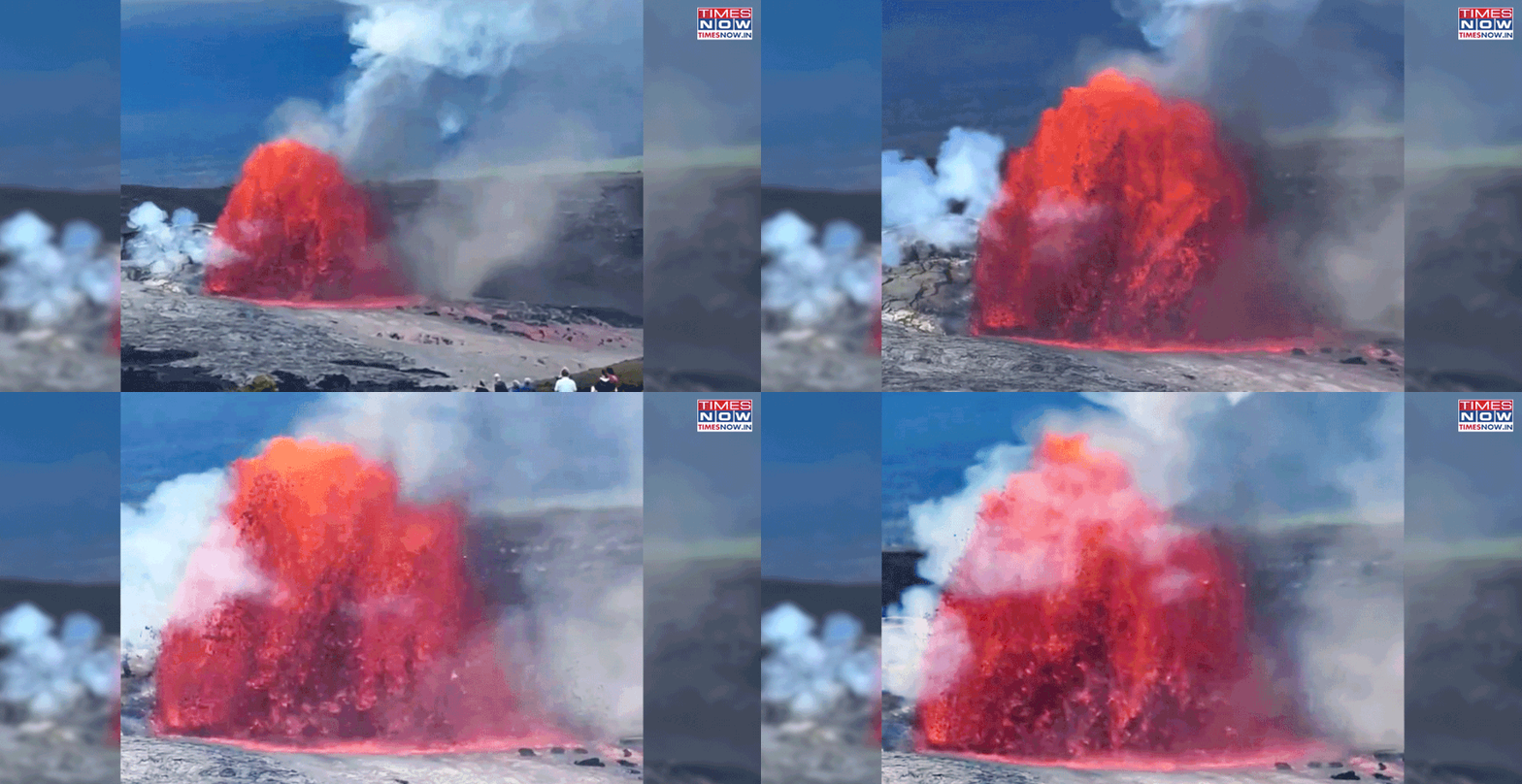

Kilauea Volcano Eruption Overview
On April 9, Hawaii's Kilauea volcano erupted, launching amber lava over 200 meters into the atmosphere. Recognized as one of the globe's most active volcanoes, Kilauea is situated on the Big Island of Hawaii. The eruption, marking its 44th occurrence, produced stunning visuals as lava fountains soared nearly 700 feet high, leading many to describe it as a 'lava mountain.' Numerous videos and images captured the vibrant orange lava bursting forth from the volcano. The United States Geological Survey (USGS) reported that the lava fountains began erupting shortly after 11 am local time.
According to the USGS, approximately 3.6 million cubic yards of lava have been expelled from Kilauea. In response to the eruption, Hawaii Volcanoes National Park, a favored spot for tourists eager to witness volcanic activity, was closed on the same day. The National Park Service recommended that visitors wear long sleeves, long pants, and eye protection to minimize exposure to volcanic ash. This eruption serves as a potent reminder of the immense power and unpredictability of volcanic activity in Hawaii. Additionally, the National Weather Service issued an ashfall warning for residents in the southeastern area of the Big Island, effective until midnight.
🚨 Hawaii’s Kilauea volcano erupts pic.twitter.com/ic0vLDbORE
— Viral Video News (@viralvideonews3) April 10, 2026
About Kilauea Volcano: Kīlauea is an active shield volcano located on the southeastern coast of Hawaii Island. It is estimated to be between 210,000 and 280,000 years old and emerged above sea level roughly 100,000 years ago. As the second-youngest formation from the Hawaiian hotspot, it currently serves as the eruptive center of the Hawaiian–Emperor seamount chain. Notably, Kīlauea experienced its longest eruption period from January 3, 1983, until 2018, during which the lava flow caused significant destruction, displacing many residents and engulfing homes.