
Kevin Warsh: The Wealthiest Nominee for Federal Reserve Chair
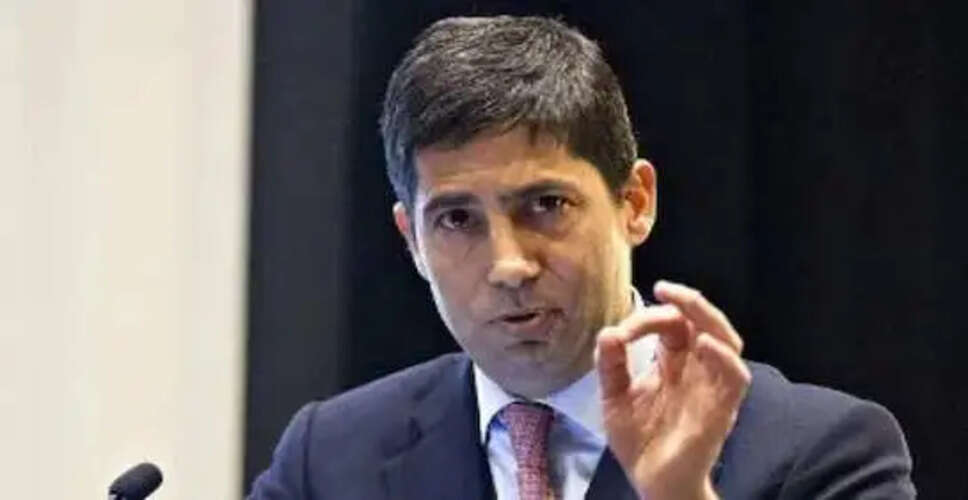

Kevin Warsh's Financial Disclosure
Kevin Warsh, nominated by President Donald Trump to chair the Federal Reserve, has revealed personal assets estimated between $131 million and over $209 million in his financial disclosure submitted to the Office of Government Ethics in April 2026. This amount makes him the wealthiest individual ever nominated for this pivotal role, far exceeding the wealth of recent Fed chairs like Jerome Powell, who reported around $20 million. Warsh's wealth stems from extensive experience in high-level finance, having served as a Federal Reserve governor from 2006 to 2011, making him the youngest person to hold that position. Following his tenure, he joined the Duquesne Family Office, a private investment firm owned by billionaire Stanley Druckenmiller. His financial disclosures indicate he earned over $13 million in consulting and advisory fees from various Wall Street and investment firms recently.
Among his most significant investments are two substantial stakes in the Juggernaut Fund LP, each valued at over $50 million. Additionally, he holds shares in companies like Coupang (a South Korean e-commerce giant), UPS, SpaceX, the prediction market platform Polymarket, and the AI startup Hebbia. It's important to note that government disclosure forms present assets in broad ranges, so the precise total remains undisclosed. Warsh has committed to divesting certain assets and resigning from some advisory positions if confirmed, to mitigate any potential conflicts of interest.
Warsh's Spouse and Their Combined Wealth
Warsh is married to Jane Lauder, the granddaughter of cosmetics pioneer Estée Lauder and an executive at the Estée Lauder Companies. Forbes estimates her net worth to be between $1.9 billion and $2.4 billion, with variations depending on stock market fluctuations and reporting dates. Together, their wealth places them in the ultra-high-net-worth bracket.
Implications for His Nomination
Warsh's considerable wealth has sparked discussions ahead of his Senate confirmation hearing. Critics, including some Senate Democrats, are questioning the transparency of his financial disclosures and potential conflicts of interest with banks or firms regulated by the Fed. Conversely, supporters assert that his extensive experience in both governmental and private sectors makes him a strong candidate for the position. If confirmed, Warsh would assume leadership of the Federal Reserve during a period marked by economic uncertainty, elevated market valuations, and ongoing discussions regarding interest rates and inflation.