
Justice Sonia Sotomayor Issues Apology for Comments on Justice Kavanaugh
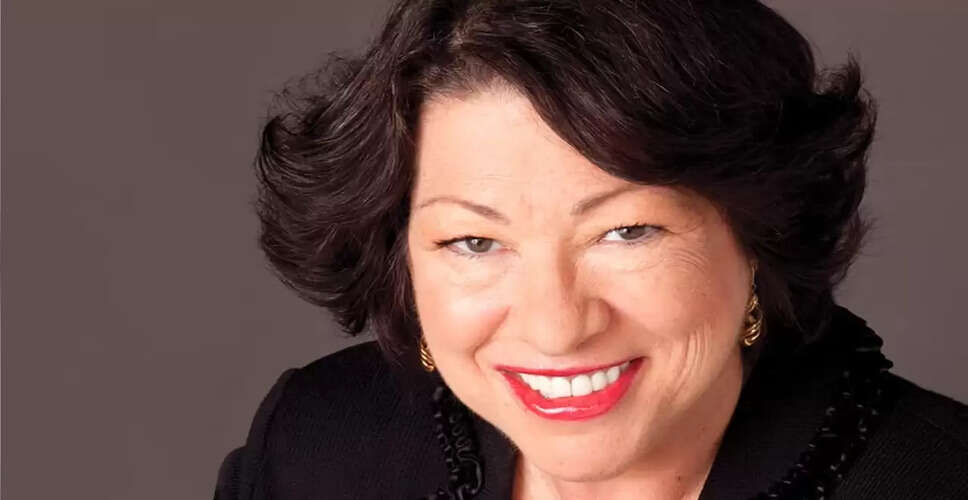

Sotomayor's Public Apology
On Wednesday, Supreme Court Justice Sonia Sotomayor publicly apologized for remarks she made regarding her conservative colleague, Justice Brett Kavanaugh. In a statement released by the court, she expressed regret over comments made during a recent event at the University of Kansas School of Law. She stated, “During my recent appearance, I referred to a disagreement with a colleague in a previous case, but my comments were inappropriate. I regret my hurtful remarks and have apologized to my colleague.”
This apology follows her criticism of Kavanaugh's opinion in an immigration case from last year, where he aligned with the conservative majority, permitting the Trump administration to carry out extensive immigration operations in the Los Angeles area. Sotomayor dissented in that case.
As reported by Bloomberg Law, Sotomayor remarked on Kavanaugh’s perspective, saying, “This is from a man whose parents were professionals and probably doesn’t really know anyone who works hourly.” Kavanaugh was raised in a wealthy suburb of Maryland, while Sotomayor grew up in a public housing project in the Bronx, with parents from Puerto Rico.
Kavanaugh's opinion highlighted that undocumented immigrants in Los Angeles often congregate in specific areas for day labor, typically in construction, and many do not speak English. He argued that these factors could justify reasonable suspicion for law enforcement stops.
The Supreme Court is nearing the end of its term, with significant rulings anticipated before it concludes in June.