
Joe Kent Critiques Trump's Approach to Iran Amid Military Tensions
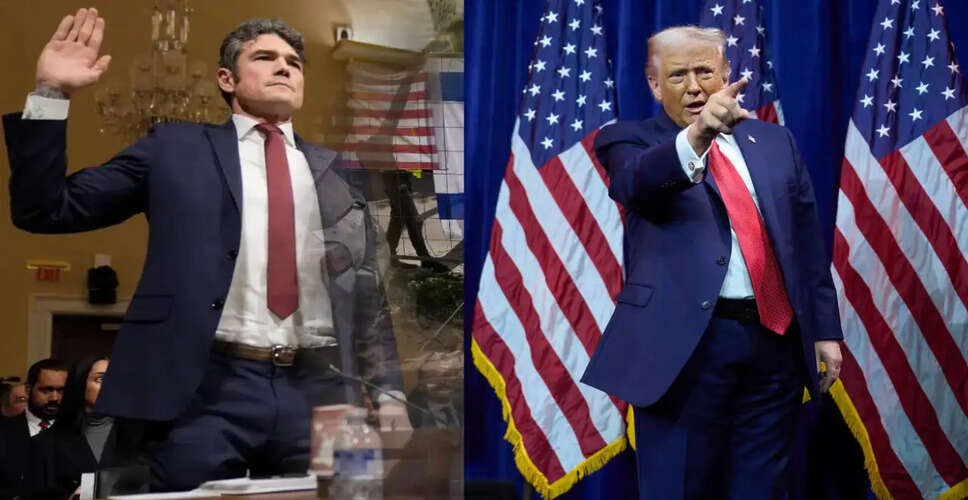
Former Counterterrorism Chief Challenges Trump's Strategy
Joe Kent, the former US Counterterrorism Chief who recently resigned, has publicly criticized President Donald Trump's handling of military actions against Iran. Following Trump's announcement of a temporary halt on military strikes aimed at Iranian energy facilities, Kent emphasized that the initial step towards de-escalation should involve limiting Israeli actions. He warned that without such restraint, efforts to negotiate peace would be undermined. Kent expressed his concerns on social media, stating, "Step 1 in de-escalation must be restraining the Israelis; otherwise, all efforts to negotiate will follow this pattern: POTUS publicly announces de-escalation. Israel takes major strikes to destroy the negotiations & in turn weaken our ability to negotiate. The war accelerates."
joekent16jan19
2036065622577106965
Trump's Decision to Delay Military Action
Trump Announces Postponement of Strikes
On Monday, President Trump revealed that he had engaged in "very good and productive conversations" with Iranian officials over the preceding days, leading to his decision to delay military strikes. He stated on his social media platform that the United States would postpone all military actions against Iranian power plants and energy infrastructure for five days. This decision hinges on the progress of ongoing discussions aimed at resolving hostilities. Trump expressed optimism about the talks, saying, "I am pleased to report that the United States of America and the country of Iran have had, over the last two days, very good and productive conversations regarding a complete and total resolution of our hostilities in the Middle East." He instructed the Department of War to hold off on any military actions for five days, contingent on the success of the discussions.
Escalating Tensions in the Region
Did Trump Retreat from Military Action?
Trump's announcement coincided with reports from the United Arab Emirates indicating that their air defense systems were attempting to intercept incoming Iranian fire. Earlier that day, Iran had threatened to target electricity plants throughout the Middle East and mine the Persian Gulf in response to Trump's threats to bomb Iranian power stations if the Strait of Hormuz was not reopened. The ongoing conflict, now entering its fourth week, has witnessed significant developments, including the assassination of Iran's supreme leader and attacks on vital Iranian gas fields, as well as strikes on oil and gas facilities in Gulf Arab nations. This conflict has resulted in over 2,000 fatalities, disrupted the global economy, caused a spike in oil prices, and jeopardized some of the busiest air routes worldwide.
(With agency inputs)