
Israel's Stance Amid US-Iran Negotiations: A Growing Divide
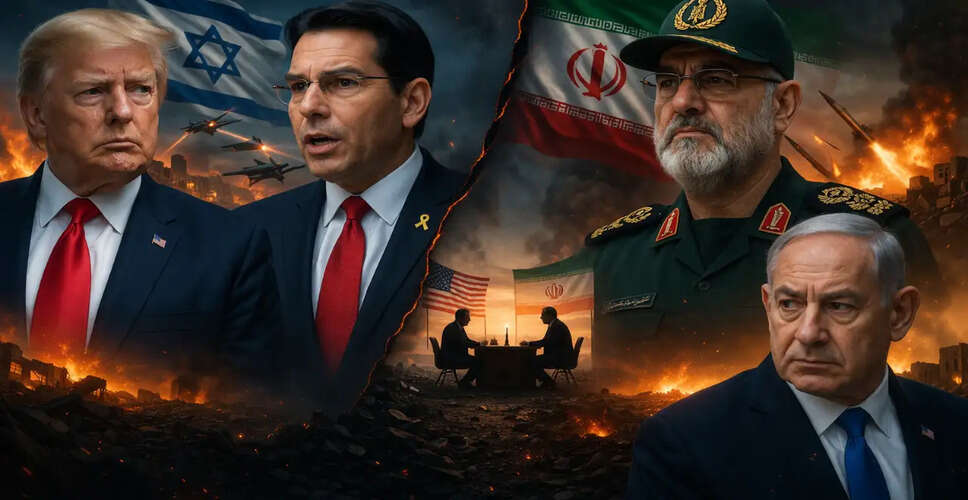
Israel's Position on US-Iran Talks
On Tuesday, Israel's Ambassador to the UN, Danny Danon, asserted that Israel is not involved in the ongoing discussions between the US and Iran. He emphasized that Israel will persist with its military operations in Iran, aiming to thwart any advancements in Iran's nuclear and missile capabilities. This declaration comes in the wake of President Trump's announcement that the US has found 'major points of agreement' with Iran, a surprising shift following his earlier threats to target Iran's power facilities. Iran has denied any negotiations are taking place. Israel, which initiated military actions alongside the US on February 28, has now publicly distanced itself from these talks.
Israeli analysts have expressed disappointment and confusion regarding Trump's recent statements. Political scientist Ori Goldberg remarked to Al Jazeera, 'This is a setback for Netanyahu. It seems Trump is distancing himself from Israel. While we can still conduct operations in Lebanon and Gaza, our status as a key player in negotiations has diminished significantly.'
Former Israeli ambassador Alon Pinkas suggested that if Trump is pursuing negotiations against Netanyahu's wishes, it indicates that the US president may have been misled about the ease of achieving a decisive victory and the feasibility of regime change in Iran.
Netanyahu's response was measured. In a video statement, he mentioned his conversation with Trump, who believes there is potential to leverage the successes of the Israeli Defense Forces and US military to secure an agreement that safeguards Israel's interests. However, the focus appears to be on protection rather than advancement, suggesting a retreat in strategy.
According to reports, Netanyahu is worried that Trump might agree to terms that do not align with Israel's goals, potentially including significant concessions that could restrict Israel's military actions against Iran. Some Israeli officials are skeptical about the concessions Iran is purported to have offered.
Is Israel Facing Isolation?
While not isolated yet, the rift is becoming more apparent. The US is awaiting Iran's decision on whether to engage in talks, with Pakistan, Egypt, and Turkey acting as intermediaries. One of these nations suggested a temporary ceasefire to facilitate negotiations, but the Trump administration prefers to negotiate under pressure to maintain leverage, as indicated by Israeli officials. Israel was not included in the discussions prior to Trump's announcement and learned about the potential negotiations through media reports.
The underlying tension is clear: Israel seeks regime change and the complete dismantling of Iran's nuclear and missile programs, while Trump aims for a deal that stabilizes oil prices and enhances his political standing, possibly even eyeing a Nobel Peace Prize. Israeli political analyst Nimrod Flashenberg bluntly stated, 'Israel is no longer a nation that engages in diplomacy.' This poses a significant challenge when the ally you fought alongside begins to negotiate without your involvement.
Danon's assertion that Israel will continue its military operations irrespective of US-Iran discussions is serious. Israel possesses the necessary military capabilities and intelligence to carry out independent strikes, as demonstrated in the past. However, it lacks the advanced military assets and economic resources to sustain a prolonged conflict without US support.
Netanyahu reiterated on Monday, 'We will continue our operations in both Iran and Lebanon, targeting their missile and nuclear programs while delivering significant blows to Hezbollah — more actions are forthcoming.' The military campaign continues, but the alliance that initiated it is visibly diverging.
Operation Epic Fury commenced on February 28, 2026, with a united front from President Trump and Prime Minister Netanyahu. Together, they targeted Iran's nuclear facilities and military leadership. Within hours, Supreme Leader Ali Khamenei was killed. Initially, the two allies appeared to be aligned in their objectives to dismantle the Iranian regime. However, three weeks later, this unity has fractured, revealing a potential path where Israel may have to continue the fight independently.