
Israeli Farmers Endure Ongoing Conflict Amidst Calls for Military Action

The Struggles of Farmers in Northern Israel
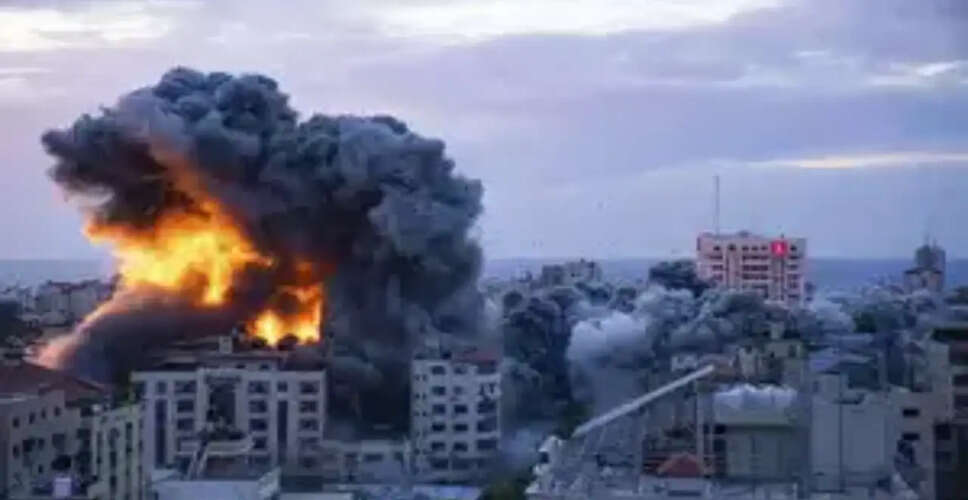
Rani Ben Dov, a 77-year-old farmer from a northern Israeli border town, appears visibly worn out. The ongoing conflict has taken a significant toll on him. The sounds of artillery fire from Israeli forces targeting southern Lebanon resonate throughout the area, while military drones have been a common sight in the skies earlier in the day. For those living near the border, the war has become a part of daily life, marked by repeated rocket attacks, constant air-raid sirens, and extended hours spent in shelters as Hezbollah continues its strikes from across the border.
Despite the ongoing dangers and disruptions, Ben Dov does not advocate for an end to the military operations. Instead, he represents a growing faction of Israelis who believe that the military efforts should persist until Hezbollah is pushed further from the border, significantly diminishing its threat to northern communities. Even after enduring months of turmoil, Ben Dov expresses that he does not want Prime Minister Benjamin Netanyahu to cease the offensive.
This perspective mirrors a wider sentiment among many residents in northern Israel, where security concerns have escalated since the conflict reignited. For these communities, the situation is not merely a temporary military engagement but a crucial battle for long-term safety following years of tension and intermittent clashes with Hezbollah.
The strong public backing for ongoing military action is influencing Israel's political landscape. There is a growing chorus advocating for sustained pressure on Hezbollah, with many asserting that a ceasefire without substantial strategic achievements would leave northern towns exposed to future assaults. Consequently, Netanyahu is facing increasing pressure from segments of the public and political circles to continue military operations, despite the escalating costs and risks involved.
This mindset has led to speculation that Israel might maintain a prolonged military presence in parts of southern Lebanon if it is deemed necessary to establish a lasting buffer zone against future cross-border attacks. Although officials have not officially committed to a long-term occupation, the readiness of many border residents to endorse an extended campaign underscores the depth of security anxieties that continue to influence public sentiment.
For individuals like Ben Dov, the conflict has already caused significant disruption. Nevertheless, he believes that prematurely ending the military operation would not adequately address the threats posed by Hezbollah. As artillery fire echoes in the distance and drones surveil the skies, many in Israel's northern communities remain steadfast in their belief that the offensive must persist, even if it leads to a longer and more uncertain military involvement in Lebanon.