
Israel Questions Pakistan's Role as Mediator in Iran Conflict
Israel's Dismissal of Pakistan's Mediation Efforts
In light of Pakistan's attempts to act as a mediator in the intensifying conflict involving Iran, Israel has categorically rejected Islamabad's efforts, raising concerns about its intentions and credibility. Fleur Hassan-Nahoum, a Special Envoy from Israel's Foreign Ministry, criticized Pakistan's involvement, suggesting that the nation is merely seeking to maintain its relevance on the international stage. She pointed out Pakistan's history of contributing to "jihadi terrorism," stating, "I don’t know what the Pakistanis think they’re doing," and emphasized that Pakistan itself poses a significant issue in the realm of global terrorism.
While acknowledging Pakistan's desire to engage in the crisis, she expressed skepticism regarding its capacity to facilitate any genuine de-escalation. "They are themselves a huge problem in the world of jihadi terrorism. But they can try. I'm not sure they'll be very successful. I think they just want to shove themselves in the middle of something relevant at the moment," she remarked.
ANI
2038599574089285846
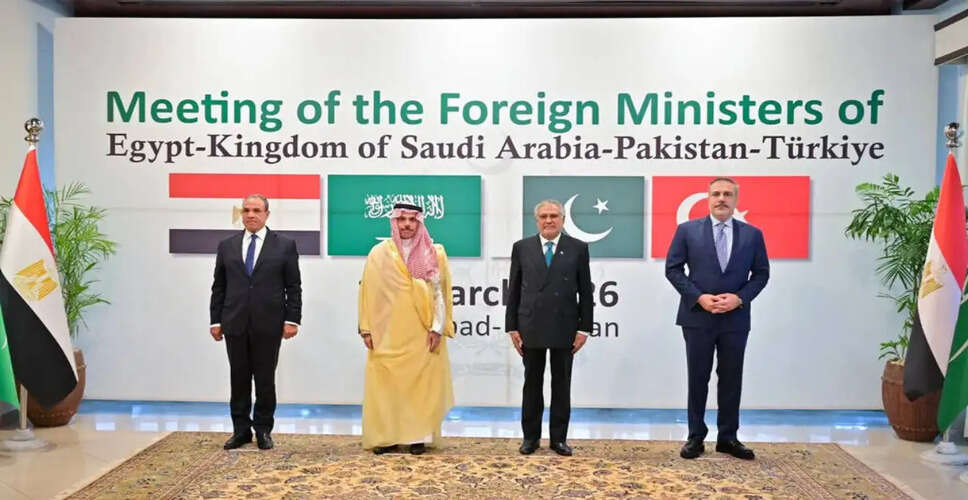
Iran has also firmly denied any involvement in negotiations facilitated by Pakistan, asserting that it has not engaged in such diplomatic discussions. A spokesperson for Iran's foreign ministry reiterated that there have been "no direct talks" with the United States, accusing Washington of imposing "excessive and unreasonable demands" through intermediaries. The spokesperson further clarified that Tehran is not associated with any initiatives involving Pakistan, stating that such diplomatic efforts are "their own" and bluntly declaring: "We didn’t participate." This statement followed a meeting in Islamabad attended by the Foreign Ministers of Turkey, Saudi Arabia, and Egypt, aimed at addressing the Iran-US conflict. Pakistan later announced that the diplomats had returned to their respective countries, with the talks initially scheduled to continue on Monday.
Pakistan's Commitment to Host US-Iran Discussions
Foreign Minister Ishaq Dar expressed Pakistan's willingness to host and facilitate significant discussions between the two parties in the near future. He stated, "Pakistan will be honoured to host and facilitate meaningful talks between the two sides in the coming days," following the meeting of top diplomats from Turkey, Egypt, and Saudi Arabia in Islamabad. Although US President Donald Trump did not specifically mention the potential talks in Pakistan, he indicated that Washington is engaged in discussions with Iran, asserting, "we’re doing extremely well in that negotiation." The ongoing conflict in the Middle East has now reached its 30th day, resulting in over 3,000 fatalities since the war commenced on February 28 with US and Israeli strikes on Iran, which in turn prompted Iranian retaliatory actions against Israeli and US military targets, as well as other locations in neighboring Gulf Arab states.