
Israel and US Launch Major Offensive Against Iran Amid Nuclear Concerns
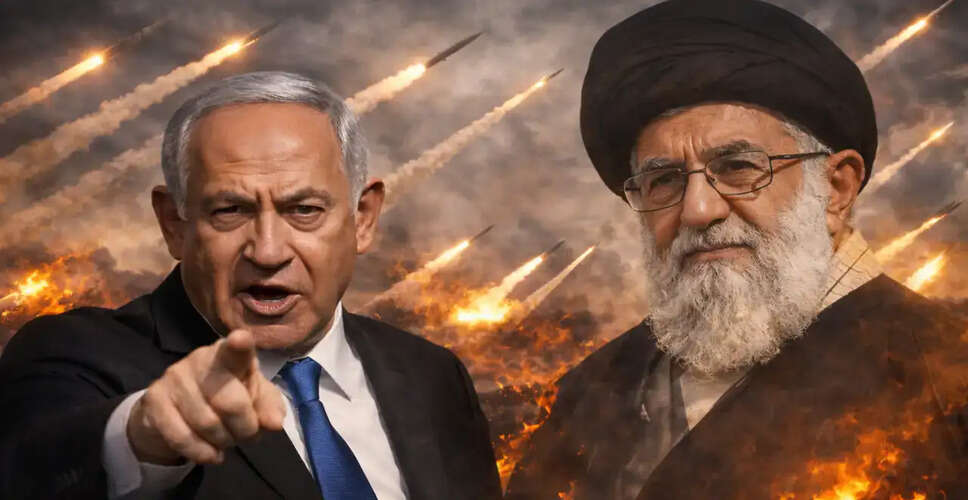
Netanyahu Addresses the Nation
Following the initiation of what he termed 'Epic Fury' against Iran, Israeli Prime Minister Benjamin Netanyahu delivered a recorded address to the public. He stated that the coordinated military actions by the US and Israel are intended to empower the Iranian populace to overthrow their current regime and establish a nation that seeks peace and freedom. Netanyahu emphasized that the recent strikes on Iran were necessary to eliminate an 'existential threat' and expressed gratitude to US President Donald Trump for his backing. He remarked, 'For 47 years, the Ayatollah regime has proclaimed “Death to Israel” and “Death to America,” causing bloodshed and suffering among its own citizens. We cannot permit this terrorist regime to acquire nuclear capabilities that threaten humanity. It is time for all Iranians—Persians, Kurds, Azeris, Balochis, and Ahvazis—to liberate themselves from tyranny and forge a free and peace-seeking Iran.'
Reasons Behind the Attack
Why did Israel Attack Iran?
The US and Israel executed a military strike on Iran, with initial reports indicating an attack near the offices of Supreme Leader Ayatollah Ali Khamenei. Iranian media confirmed strikes across the nation, with smoke visible in the capital. In a social media video, President Trump announced the commencement of 'major combat operations in Iran,' asserting that Iran continues to advance its nuclear program and is developing missiles capable of reaching the US. He urged the Iranian people to 'take control of your government—it is yours for the taking.'
This military action coincides with the US deploying a significant fleet of fighter jets and warships in the region, aiming to pressure Iran into negotiations regarding its nuclear ambitions. Although Iran claims it has not enriched uranium since June, it has denied international inspectors access to the bombed sites during a previous 12-day conflict. Recent satellite imagery analyzed by news sources indicates renewed activity at these locations, suggesting Iran may be attempting to assess and recover materials.
Currently, Iran has self-imposed restrictions on its ballistic missile program, capping their range at 2,000 kilometers (1,240 miles), which encompasses the entire Middle East and parts of Eastern Europe. There is no public evidence indicating that Iran is pursuing intercontinental ballistic missiles, although Washington has criticized its space program for potentially enabling such developments in the future.