
Is a Nuclear Deal with Iran on the Horizon? Trump Weighs Options
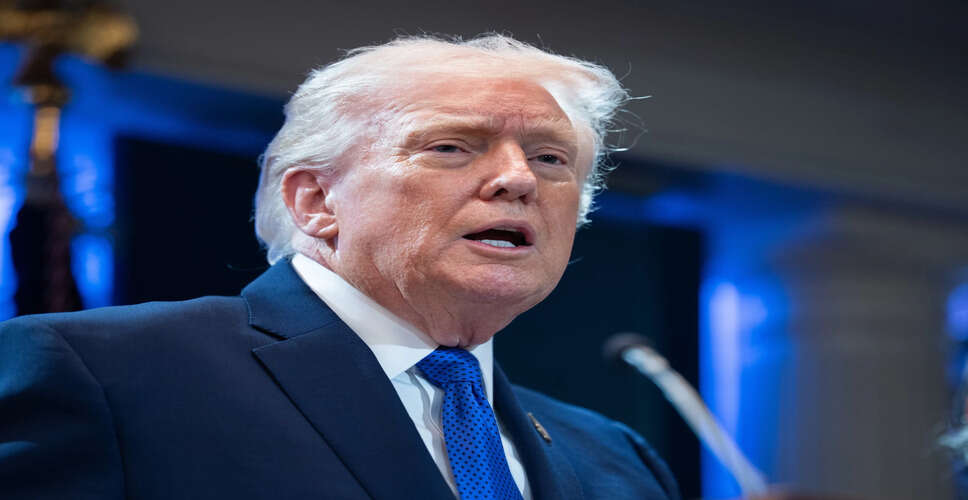

Trump's Stance on Iran Nuclear Negotiations
Washington: President Donald Trump has indicated that the United States is nearing a nuclear agreement with Iran, while also emphasizing that military intervention remains a viable option if talks do not succeed.
In a recent interview at the White House, Trump highlighted that his administration's main goal is to prevent Iran from acquiring nuclear weapons.
"We are close to finalizing a favorable deal, but if it doesn't meet our standards, we may have to resort to military action," Trump stated.
He mentioned that Iran has tentatively agreed to terms that would prohibit it from developing or obtaining nuclear arms.
"The key condition for me is ensuring there are no nuclear weapons, and they have consented to that," he added.
Trump noted that the scope of negotiations has broadened after he expressed concerns about Iran potentially sourcing a weapon externally.
"Initially, they claimed they wouldn't develop a nuclear weapon. I questioned what would happen if they purchased one. Now, the agreement states they will neither develop nor acquire military weapons in any form," he explained.
The President characterized the negotiations as challenging but acknowledged that progress is being made.
"These are tough negotiators, and it takes time. Gradually, we are achieving what we desire," he remarked.
While he prefers a negotiated resolution, Trump reiterated that the U.S. would take action if its requirements are not fulfilled.
"If we don't secure what we need, we will conclude matters differently," he warned.
When asked about potential triggers for military action, Trump stated that any agreement failing to safeguard U.S. interests would be unacceptable.
"A deal that doesn't benefit us is the ultimate red line," he asserted.
Trump argued that Iran is negotiating from a position of weakness due to U.S. military operations and claimed that a successful agreement would lead to the immediate reopening of the Strait of Hormuz.
"First, the Strait must be opened without tolls, and second, they cannot possess nuclear weapons," he stated.
He dismissed concerns that the upcoming midterm elections would affect his strategy regarding Iran.
"I must do what is right," he concluded.
During the interview, Trump also criticized the media's portrayal of the conflict and accused Democrats of obstructing key aspects of his domestic policies, such as tax reforms and border security.
These comments come as the administration continues its efforts to establish a long-term agreement with Tehran amid rising tensions in the Middle East.