
Iraq and Syria Reopen Key Border Crossing Amid Tensions Over Strait of Hormuz

New Trade Route Emerges Amid Rising Tensions
In light of the increasing friction between the United States and Iran concerning the vital Strait of Hormuz, Iraq and Syria have introduced an alternative oil trade route. For the first time in over ten years, these two nations have reopened a significant border crossing. Known as Rabia in Iraq and Yarubiyah in Syria, this crossing had been closed since the onset of the Syrian civil war in 2011. Following the capture of the area by Islamic State militants in 2014, it was later reclaimed by Iraqi Kurdish forces. Reports indicate that this crossing is being promoted as a viable route for trade and oil exports.
Syria has emphasized the crossing as a secure overland option for oil exports, presenting it as a substitute for the Strait of Hormuz, which has become a focal point in the ongoing conflict with Iran. During the inauguration ceremony on Monday, Nadia al-Jubouri, a member of Iraq’s Nineveh provincial council, stated that the crossing would facilitate "trade exchange and oil transportation towards this great gate." However, it is important to note that overland oil transport is generally considered less efficient compared to pipelines and maritime oil tankers.
Current Status of the Strait of Hormuz
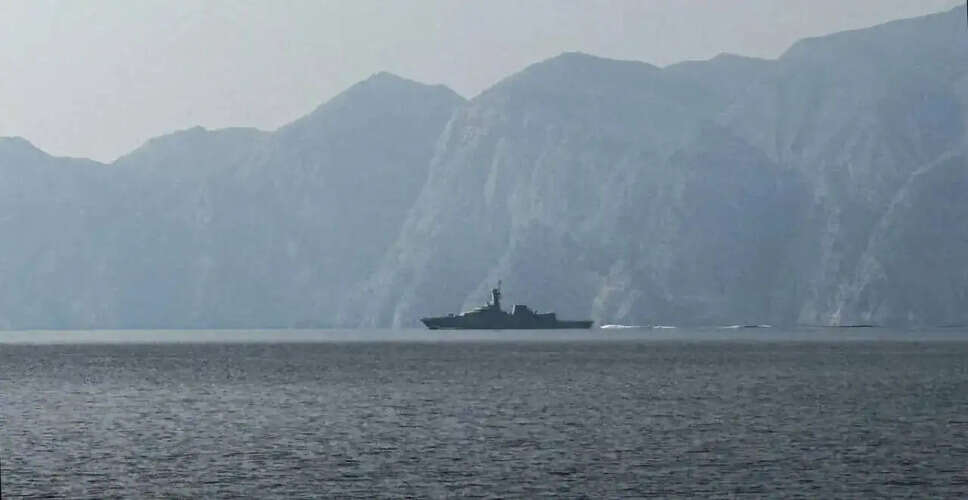
The Strait of Hormuz is a crucial maritime passage that links the Persian Gulf to the Gulf of Oman, with approximately 20-25% of the world's oil traversing this route. Since the escalation of the US-Israel-Iran conflict on February 28, numerous vessels have been stranded in the area. Iran has effectively blocked the strait, permitting only ships from "friendly" nations to pass. Following a ceasefire between Israel and Lebanon, Iran announced on Friday that it would allow all commercial vessels to navigate the strait. However, this decision was reversed on Saturday in response to the US naval blockade, with Iran's Revolutionary Guard Navy declaring that the strait would remain closed until the blockade is lifted. They warned that any vessel attempting to approach the strait would be viewed as collaborating with the enemy and could be targeted.
Significance of the Strait of Hormuz in US-Iran Relations
The closure of the strait, which was enacted after the US and Israel initiated military actions on February 28 amid discussions regarding Tehran's nuclear ambitions, serves as a potent leverage point for Iran. This blockade poses a threat to the global economy and inflicts political pressure on President Donald Trump. Conversely, the United States aims to maintain pressure on Iran, potentially exacerbating the challenges faced by its already fragile economy.