
Iran's Threats Amid Ongoing Conflict with Israel and the US
Iran's Escalating Threats
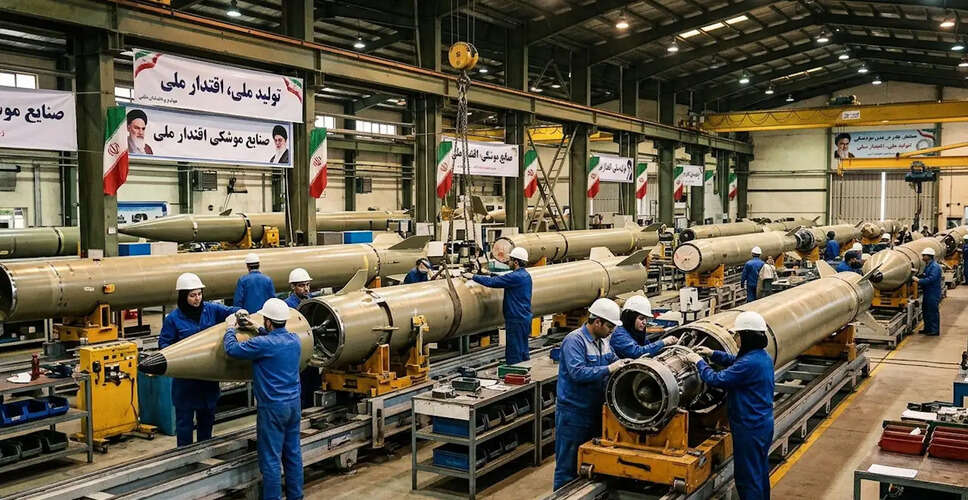
In the midst of its ongoing conflict with Israel and the United States, Iran has issued warnings targeting tourist and recreational locations globally, asserting its continued missile development. The three-week-long hostilities have resulted in significant losses for Iran, including the death of key figures such as Supreme Leader Ayatollah Ali Khamenei, who was killed during a coordinated attack by US and Israeli forces on February 28, which involved over 30 strikes on his residence.
Iran's latest threats follow Israel's assault on its major oil facilities, including the Shahr Rey Oil Refinery and the South Pars gas field. In retaliation, Tehran has targeted energy installations in Qatar and Saudi Arabia, and launched missiles aimed at Haifa, Israel. General Abolfazl Shekarchi, Iran's military spokesperson, warned that 'parks, recreational areas, and tourist destinations' worldwide could be at risk for Tehran's adversaries.
This renewed threat raises alarms about Iran potentially extending its militant operations beyond the Middle East as a strategy to exert pressure. US and Israeli officials have claimed that their airstrikes have severely weakened Iran's military capabilities, resulting in the deaths of numerous high-ranking military and political leaders, including Esmail Ahmadi, the head of intelligence for the Basij, who was killed in a recent strike.
Netanyahu's Claims on Iran's Military Status
Israeli Prime Minister Benjamin Netanyahu asserted that Iran's navy has been incapacitated and its air force is in disarray, claiming that its ballistic missile production capabilities have been dismantled. However, Iran's Revolutionary Guard refuted these claims, stating that missile production continues even amidst the conflict. Shortly after this announcement, Iranian state media reported that General Ali Mohammad Naeini was killed in an airstrike.
Ayatollah Mojtaba Khamenei, Iran's new Supreme Leader, also made a rare statement indicating that Iran's adversaries should be stripped of their 'security.' This statement comes after the death of his predecessor, Ayatollah Ali Khamenei, who was killed in an Israeli airstrike on the first day of the conflict.
Iran's Continued Attacks on Energy Infrastructure
On Thursday, Iran launched attacks on Israel and energy sites in neighboring Gulf states, coinciding with the observance of a significant day in the Muslim calendar and the celebration of Nowruz, the Persian New Year. The extent of damage to Iran's military and nuclear facilities remains unclear, but the country has demonstrated its capability to disrupt oil supplies, impacting the global economy and driving up food and fuel prices.
Shifting Goals of the US and Israel in the Conflict
The US and Israel have presented varying justifications for their military actions, ranging from inciting an uprising to dismantling Iran's nuclear and missile programs. However, there are no visible signs of an uprising, and the conflict shows no signs of resolution.
Impact of Iran's Actions on the Global Economy
Iran's strikes on energy infrastructure in the Gulf, coupled with its control over shipping routes in the Strait of Hormuz, have raised alarms about a potential global energy crisis. US President Donald Trump criticized NATO allies for not supporting the war effort, labeling them as 'COWARDS' in a social media post. Meanwhile, Brent crude oil prices have surged to around $108 per barrel, significantly higher than the $70 per barrel price before the conflict began.
The rising fuel costs come at a time when global leaders are already grappling with high prices for food and consumer goods. The repercussions of these price increases are being felt worldwide, particularly in Asia, where a significant portion of oil and gas from the Strait of Hormuz is directed. The disruption of key raw materials, such as helium for computer chips and sulfur for fertilizers, could lead to shortages and further price hikes throughout the supply chain.
With inputs from various sources