
Iran's Strong Response to Trump's Hormuz Strait Claims

Iran Defends Its Role in the Hormuz Strait
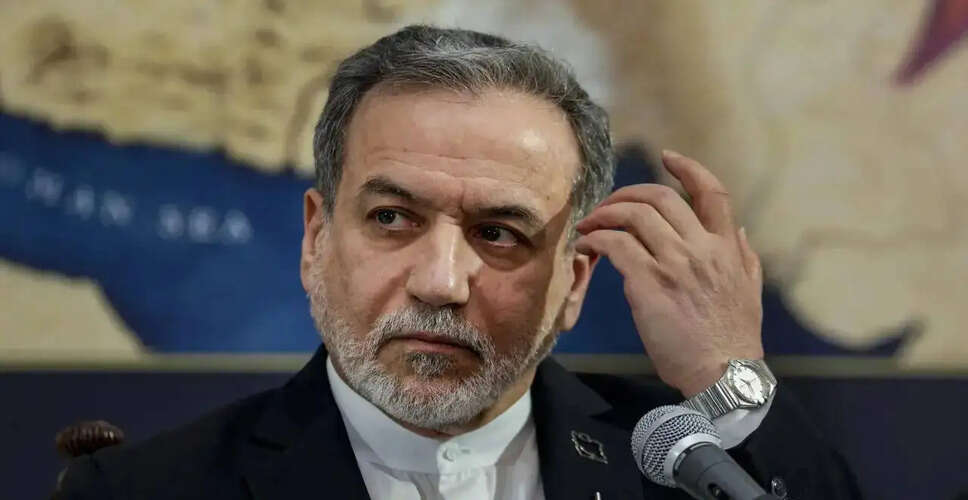
On Monday, Iran reacted to U.S. President Donald Trump's declaration that the United States would act as the "Guardian of the Hormuz Strait," a crucial maritime route. Iranian Foreign Minister Seyed Abbas Araghchi emphasized that Iran has historically protected this strategic waterway, stating, "Iran has always been the GUARDIAN of the Strait and will remain so FOREVER." In a post on X, he acknowledged Trump's assertion, adding that those ensuring safe passage for commercial vessels through the Strait of Hormuz should receive compensation for their services.
Araghchi criticized Trump's suggestion of imposing a 20% fee on cargo transiting the Strait, remarking, "20% is of course too much. We will be fair." These comments followed Trump's announcement of reinstating what he termed an "Iranian blockade," asserting that the Strait would remain accessible "with or without Iran." He stated on Truth Social that this measure would only affect Iranian vessels while allowing others to navigate freely.
Trump proclaimed that the U.S. would be recognized as the "Guardian of the Hormuz Strait," proposing a 20% charge on cargo to cover security costs. He stated, "The U.S.A. will be, from this point forward, known as 'THE GUARDIAN OF THE HORMUZ STRAIT,' but as such, and as a matter of FAIRNESS, will be reimbursed, at the rate of 20% on all cargo shipped, for any and all costs necessary to do the job of providing safety and security to this very volatile section of the World." This announcement comes amid ongoing tensions in the region.
Despite Trump's claims of U.S. control over the Strait during the ongoing U.S.-Israel-Iran conflict, Iran continues to assert its influence, often threatening or attacking shipping in the area, which has significant implications for the global economy.
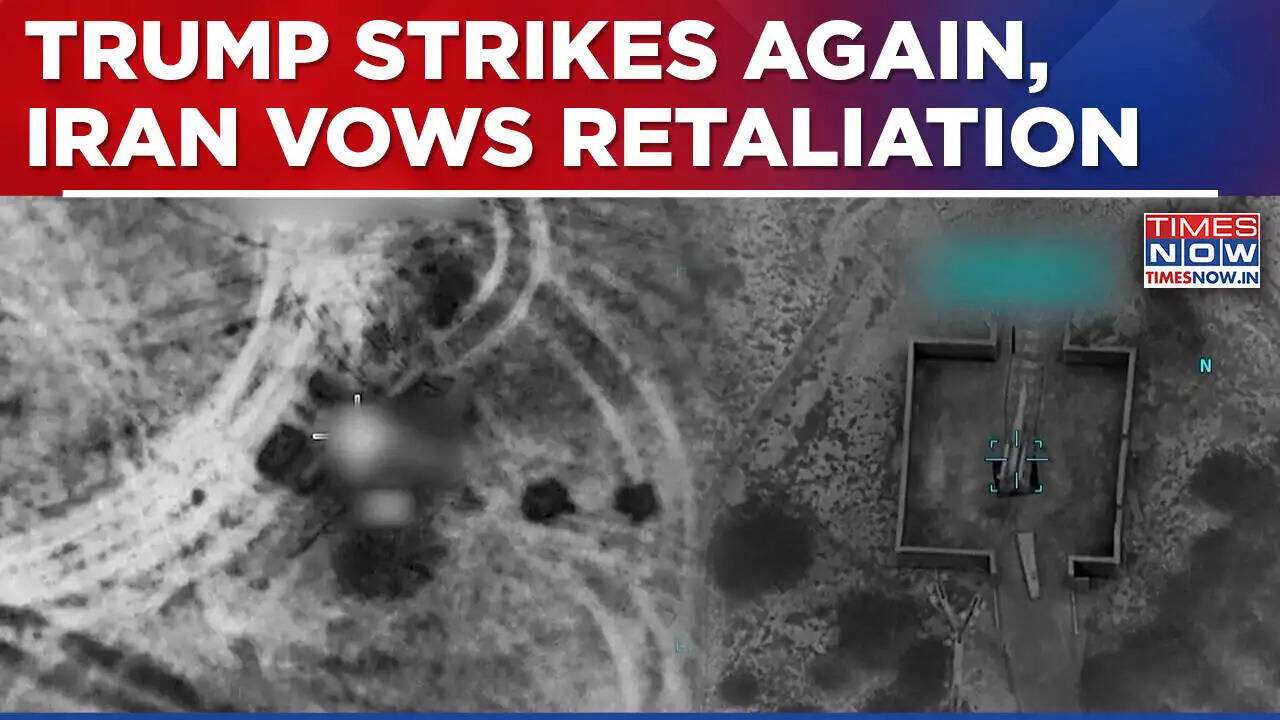
This exchange regarding the Hormuz Strait follows a weekend of escalating attacks across the Middle East, complicating diplomatic efforts to resolve the conflict that erupted on February 28. The U.S. military's Central Command (CENTCOM) reported that its forces targeted numerous sites on Monday, including air defense systems and missile equipment. Meanwhile, missile alerts were triggered in Bahrain, home to the U.S. Navy’s 5th Fleet, as Kuwait intercepted hostile fire. The recent spate of attacks was ignited by an assault on a container ship near the coast of Oman, further disrupting shipping in the Persian Gulf.