
Iran's Strategic Response Amid US Naval Blockade

The Ongoing Conflict and Iran's Reaction
The blockade has been initiated, and the ceasefire is deteriorating. Iran is countering not with missiles but through strategic communication. Although aerial bombardments have ceased, the conflict persists. As of 10 a.m. ET on Monday, the US military's naval blockade against Iran commenced. The US Central Command has stated that this blockade covers "the entire Iranian coastline," warning that any vessels entering or leaving this area without permission may be intercepted or captured. Iran's immediate reaction was to label this action as piracy, utilizing various platforms to amplify its message. Thousands gathered in Tehran to protest against the blockade, and Iran's media swiftly transformed this event into a narrative before the crowds even dispersed. This represents a different kind of warfare, and Iran appears to be gaining the upper hand.
Failed Negotiations and Shifting Narratives
The Talks That Failed — And The Narrative That Didn't
After twenty-one hours of intense discussions in Islamabad, no agreement was reached. US Vice President JD Vance informed the press, stating, "The bad news is that we have not reached an agreement." Before leaving Pakistani airspace, Iran's Foreign Minister Abbas Araghchi took to social media, claiming that the two parties were "inches away" from a deal until they faced American "maximalism, shifting goalposts, and blockade." This diplomatic setback has been reframed as American aggression, with meme factories quickly producing content to support this narrative.
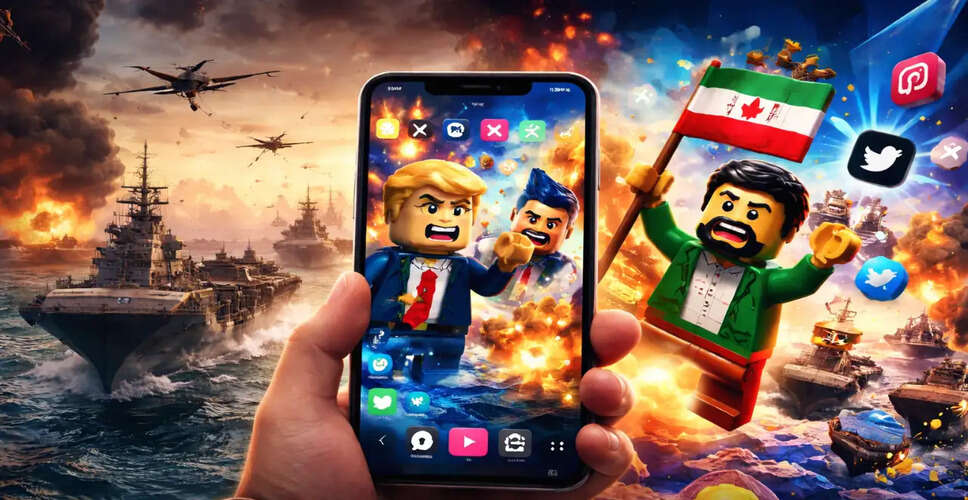
AI-generated animations depicted US President Donald J. Trump as outdated and out of touch. A recurring theme emerged: TACO — Trump Always Chickens Out. Propaganda expert Nancy Snow noted, "They're using popular culture against the number one pop culture country, the United States." Emerson Brooking from the Atlantic Council's Digital Forensic Research Lab remarked, "The Iranians are crafting a narrative in their communications, while the US is not." The videos, initially appearing child-friendly with bright colors and Lego figures, reveal darker themes upon closer inspection, including scenes of violence and political turmoil. This content serves as a sophisticated weapon in the information war.
Disagreement Over the Blockade
A Blockade Nobody Agrees On
JD Vance characterized Iran's closure of the Strait as "economic terrorism against the entire world," while Donald Trump asserted, "We can't allow a country to blackmail or extort the world." However, the reality is more complex. Iran continues to assert control over the strait, imposing fees of up to $2 million per ship, a practice referred to as the "Tehran toll booth." Global shipping companies express concerns about the risks involved in transiting the area, leading to confusion with two authorities and conflicting regulations.
The blockade has not unified global support for Washington; instead, it has created divisions. The UK has opted not to participate, while France has proposed a peaceful multinational mission to ensure navigation freedom. China has criticized the blockade as not aligning with the international community's interests. Iran has quickly framed this situation as evidence of American isolation, claiming victory.
The Economic Impact of the Blockade
The Bill The World Is Paying
Since the onset of the conflict, Brent crude oil prices have surged by approximately 40%, nearing $100 per barrel. US Energy Secretary Chris Wright indicated that prices will continue to rise until significant shipping traffic resumes. Each day the blockade persists, the global economy suffers, and Iran's narrative gains strength. The ceasefire is set to expire on April 21, with a second round of negotiations being contemplated. Iran's foreign ministry has already articulated its stance: "For us, diplomacy is a continuation of struggle." On all critical issues — uranium enrichment, nuclear stockpiles, and funding for militant groups — Iran has maintained its position. It does not require nuclear weapons to challenge the world's most powerful military; it simply needs the internet and a skilled animator.