
Iran's Stance on Strait of Hormuz Negotiations Remains Firm Amid US Talks

Iran's Position on Negotiations
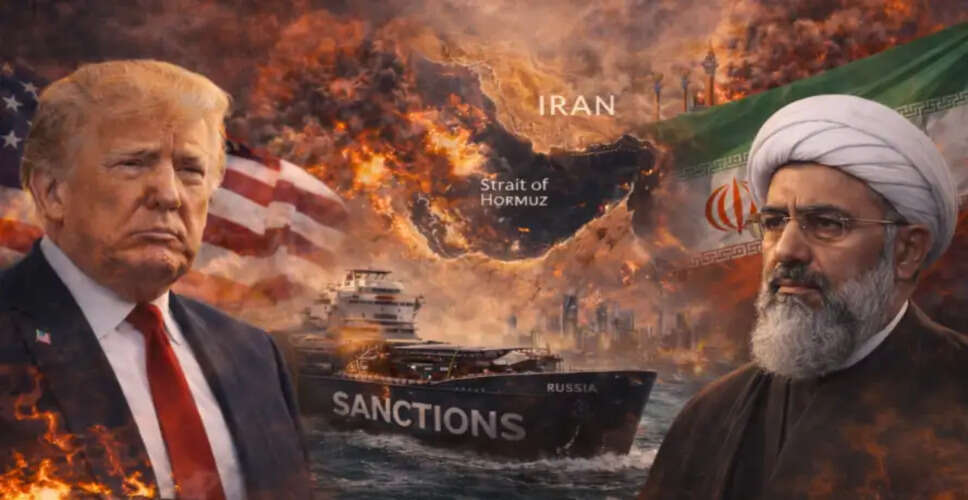
As discussions in Islamabad stall, Iran has made it clear that it will not rush into an agreement. A source cited by Fars news agency indicated that Tehran does not feel pressured to alter its position, emphasizing that the situation regarding the Strait of Hormuz will remain unchanged unless the United States consents to what it deems a "reasonable deal." The lengthy talks between the US and Iran, which exceeded 20 hours, did not produce any outcomes due to Iran's refusal to accept the terms proposed by Washington. Vice President JD Vance noted that US representatives had clearly communicated their stance, but Iran chose not to accept it. Key issues included the status of the Strait of Hormuz and Iran's nuclear ambitions.
According to a report from Iran’s state-affiliated Fars news agency, there are currently “no plans for further negotiations.” A source close to the Iranian negotiating team stated, “Iran is not in a hurry, and until the US agrees to a reasonable deal, there will be no change in the status of the Strait of Hormuz.”
Significance of the Strait of Hormuz for Iran
The Strait of Hormuz, a crucial passage for nearly 20% of the world's oil supply, serves as a significant leverage point for Iran against the US. Former President Donald Trump had previously expressed optimism about reopening the Gulf, stating, “We're going to open up the Gulf with or without them... or the strait as they call it. I think it's going to go pretty quickly, and if it doesn't, we'll be able to finish it off. We will have that open fairly soon.”
A conditional ceasefire between the US and Iran commenced on April 8, during which the movement of vessels through the Strait of Hormuz was also a topic of discussion. However, following Israeli strikes in Lebanon, this issue was sidelined. Since the truce, only a limited number of vessels, primarily those associated with Iran, have successfully transited, while most ships in the Gulf have remained stationary.
Iran has shown both the capability and intent to target commercial shipping, leading to a decline in daily transits from approximately 130 to just a few. Although the strait has not been physically closed, vessels have been deterred from passing through. Iranian officials have also hinted that ships may need to inform authorities before transiting, a move some analysts interpret as a potential step towards asserting greater control over the waterway, possibly even through the introduction of transit fees.