
Iran's Shipping Activity Unaffected Amid US-Iran Tensions
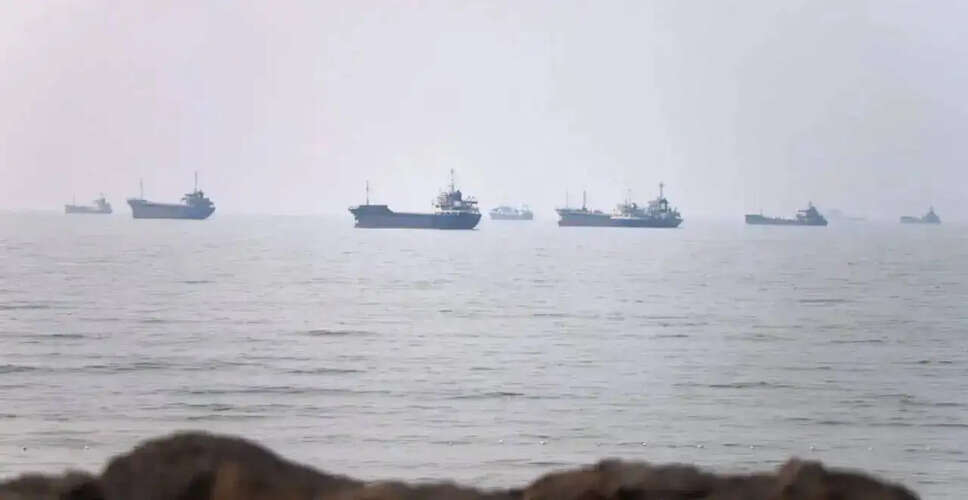

Iran's Shipping Resilience Amidst Renewed Conflict
This week, renewed hostilities between the United States and Iran have significantly disrupted shipping traffic through the Strait of Hormuz. However, Iranian vessels continue to operate largely without hindrance. Following a preliminary peace agreement in June, Iran has capitalized on the easing of the US blockade, accelerating the flow of oil and goods through its ports. The agreement also reduced enforcement against what is referred to as Iran's shadow fleet, which has historically assisted Tehran in circumventing American sanctions.
According to Kpler, a company that monitors commercial shipping via satellite and positioning data, over the past three days, despite an overall decline in traffic through the strait due to the fighting, more than one-third of the 101 vessels that transited the area took a route close to the Iranian coast. Most of these ships were either delivering goods to Iran or transporting its oil to international buyers, as reported by a leading financial publication. Since the US lifted its blockade on June 18, Kpler estimates that over 34 million barrels of Iranian crude have traversed the Strait of Hormuz.
Sanctioned Vessels Navigating Freely
Sanctioned Ships Slipping Through
Among the vessels navigating these waters are several that would likely have been intercepted under stricter enforcement measures. A tanker flying the flag of Benin, which is under US sanctions for transporting Iranian oil, was reported to have carried two million barrels of Iranian crude. Additionally, two container ships owned by the Islamic Republic of Iran Shipping Lines, a company sanctioned for its involvement in Iran's nuclear and ballistic missile programs, were also noted. Another cargo ship, flagged by Comoros, had previously attracted attention from the United Nations in 2024 due to suspected arms smuggling to Yemen's Houthi rebels.
Wider Traffic Disruption in the Strait
The Rest of the Strait Tells a Different Story
In contrast to Iran's shipping activities, the overall recovery of traffic through the Strait of Hormuz has been hindered by ongoing clashes between US and Iranian forces. This week, Iran targeted vessels using a separate route supported by Washington, which runs near the coast of Oman. Ship tracking services indicate that increasing safety concerns have significantly contributed to the overall slowdown in maritime traffic.
Ongoing Diplomatic Efforts
Diplomatic Efforts Continue Amid the Fighting
In a bid to ease tensions, Qatari negotiators visited Iran on Friday to advocate for an end to the attacks and the reopening of the strait for increased maritime traffic. On the same day, President Trump addressed the situation via social media, stating that Iran had expressed a desire for continued discussions, which the US had agreed to, while also clarifying that the ceasefire between the two nations is no longer in effect.