
Iran's Revolutionary Guards Issue Stark Warning Amid Rising US Tensions

Escalating Tensions and Retaliation Threats
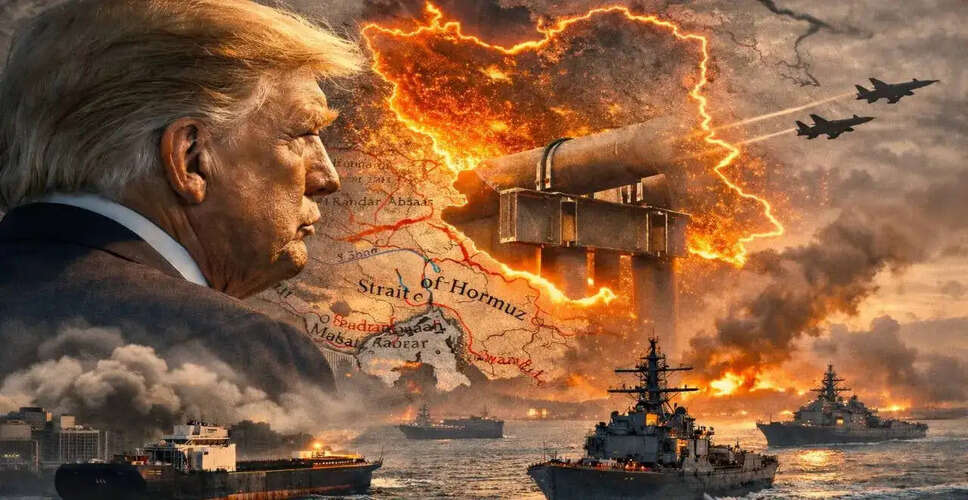
The Islamic Revolutionary Guard Corps of Iran has issued a stern warning that any further military action by the United States against Iran would lead to retaliation that could extend well beyond the Middle East. This statement, reported by Iranian state media on Wednesday, emphasized that if the US were to repeat its aggression, Iran would respond in ways that are unimaginable.
This warning follows President Trump's announcement that he had delayed a significant military strike on Iran at the request of leaders from Saudi Arabia, the UAE, and Qatar, who sought additional time to negotiate a nuclear deal. Trump also mentioned that the US military is prepared for a comprehensive assault if necessary.
Fragile Ceasefire and Mediation Efforts
These developments underscore the delicate nature of a ceasefire that has been in place for a month. Pakistan has emerged as a key mediator, with its Interior Minister Mohsin Naqvi visiting Tehran again this week for discussions with Iranian officials. Vice President JD Vance remarked on Tuesday that substantial progress is being made in negotiations, although Iran's latest demands include reparations and assurances for uranium enrichment, which the US has previously dismissed.
Since the onset of the conflict, Iran has effectively controlled the Strait of Hormuz, impacting global energy markets. Negotiations regarding both the nuclear situation and the reopening of this vital waterway remain stalled.
Potential Targets Outside the Region
Experts suggest that Iran may consider targeting the Bab al-Mandeb Strait, a crucial shipping route near Yemen where Iran-aligned Houthis are active, or Gulf oil facilities as a form of retaliation. Ali Alfoneh from the Arab Gulf States Institute pointed out that the threat of Iranian retaliation against major oil producers is one of the few factors currently limiting US military actions. US officials have voiced concerns that despite ongoing strikes, Iran retains the capability to impose significant costs both regionally and beyond. The situation continues to evolve, with both parties navigating military threats alongside diplomatic efforts.