
Iran's Revolutionary Guard Closes Strait of Hormuz to Western Nations Amid Rising Tensions
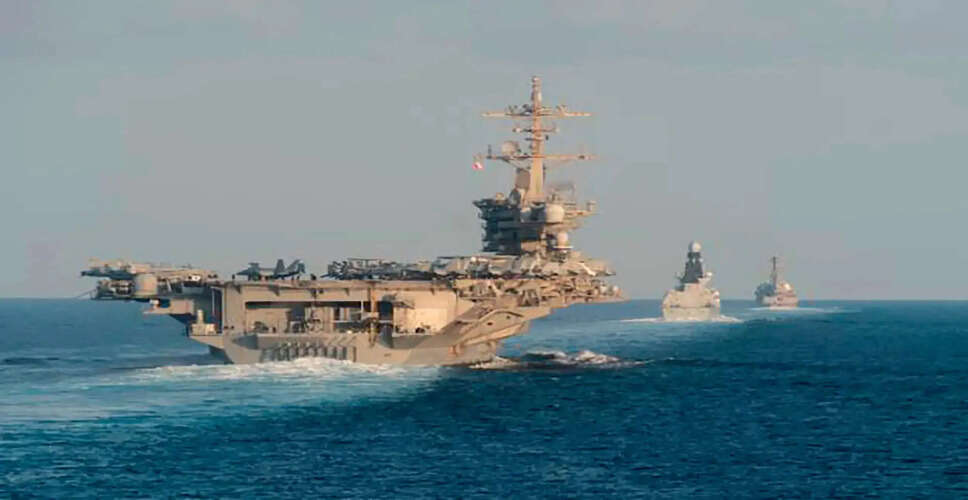
Closure of the Strait of Hormuz
The Islamic Revolutionary Guard Corps (IRGC) of Iran has declared that the Strait of Hormuz is now closed to the United States, Israel, Europe, and their allies. This announcement follows Iran's decision to shut down this crucial maritime route for oil and gas tankers after a joint military strike by the US and Israel on Iranian soil. The attacks, which occurred on February 28, resulted in the death of Iran’s Supreme Leader, Ayatollah Ali Khamenei. The IRGC stated that this closure is in accordance with international law, asserting their right to control maritime traffic during wartime.
In their statement, the Revolutionary Guards emphasized, "We have previously indicated that, under international laws and resolutions, the Islamic Republic of Iran reserves the right to manage the passage through the Strait of Hormuz during conflict."
Implications for Indian Shipping
Can India Access the Strait of Hormuz During Conflict?
Currently, it remains uncertain whether Indian vessels can navigate the Strait of Hormuz, given Iran's ongoing conflict with the US and Israel. Although the IRGC has stated that the strait is closed to Western nations, questions linger regarding India's ability to utilize this route. Recently, Iran permitted Chinese vessels to transit through the strait, but reiterated that all other nations, including India, face restrictions, and any unauthorized movements will be met with military action.
Significance of the Strait of Hormuz
The Strait of Hormuz: A Vital Trade Corridor
Historically, the Strait of Hormuz has been a significant trade route, facilitating the movement of goods such as ceramics, ivory, silk, and textiles from China. In contemporary times, it serves as the primary passage for supertankers transporting oil and gas from countries like Saudi Arabia, Kuwait, Iraq, Qatar, Bahrain, the UAE, and Iran. A substantial portion of this oil is directed towards Asian markets, particularly China, which remains Iran's last major oil buyer. While alternative pipelines exist in Saudi Arabia and the UAE, the U.S. Energy Information Administration notes that most shipments passing through the strait lack other exit options. Past threats to this route have led to spikes in global energy prices, notably during the Israel-Iran conflict in June.