
Iran's President Backs Key Agreement with the US Ahead of Geneva Signing

Iran's Support for the US Agreement
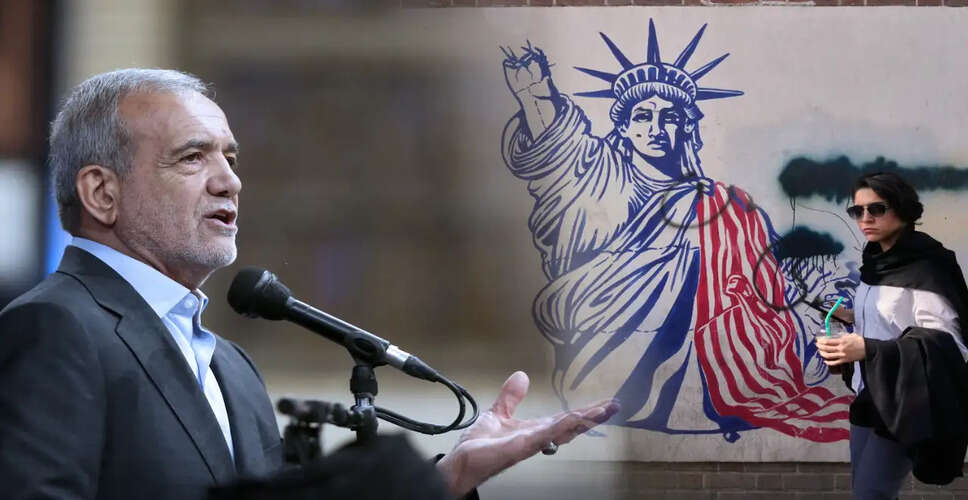
Masoud Pezeshkian, the President of Iran, has expressed strong support for the memorandum of understanding reached between Tehran and Washington, calling it a potential "document of pride" for Iran. This endorsement comes as both nations prepare for a formal signing event in Geneva later this week. Pezeshkian's comments represent one of the most significant public affirmations from Iranian leadership following extensive diplomatic efforts aimed at concluding the Iran War and laying the groundwork for future discussions. The agreement, which follows a delicate ceasefire between the two countries, is anticipated to serve as a basis for negotiations concerning Iran's nuclear program, sanctions relief, and broader regional security issues.
In a post on X, Pezeshkian expressed gratitude to various officials, including Majlis Speaker Mohammad Baqer Qalibaf and Foreign Minister Abbas Araghchi, for their roles in the negotiations. He emphasized that the memorandum reflects months of diplomatic engagement and includes measures to safeguard Iran's national interests. "The memorandum of understanding that has been drafted is the result of months of dialogue and persistent follow-ups," he stated, suggesting that its successful execution could become a source of national pride. He also acknowledged the guidance of Supreme Leader Ali Khamenei in embedding protections for Iranian sovereignty within the agreement.
Geneva Signing: A Significant Diplomatic Achievement
The signing ceremony in Geneva is scheduled for Friday, with Switzerland, Pakistan, and Qatar playing crucial roles in facilitating this diplomatic endeavor. Although both parties have already given digital approval to the agreement's text, officials regard the Geneva event as a pivotal step in transforming the ceasefire into a structured diplomatic process. According to officials from both Iran and the US, the agreement extends the current ceasefire by an additional 60 days while establishing a framework for addressing unresolved issues, including Iran's nuclear activities and mechanisms for sanctions relief.
A senior official from the US administration noted that the framework also includes provisions for reopening the Strait of Hormuz and lifting the American naval blockade on Iranian ports. This waterway is critical for global energy transport, handling a substantial portion of the world's oil and liquefied natural gas exports. Iranian Deputy Foreign Minister Kazem Gharibabadi characterized the agreement as a step towards achieving a "permanent and immediate end to the war on all fronts," although specifics regarding implementation are still being negotiated.
Challenges Ahead: Nuclear Disputes Persist
Despite the positive diplomatic developments, significant disagreements remain between Tehran and Washington. The memorandum is seen more as a framework agreement than a conclusive settlement, leaving several contentious issues unresolved. US Vice President JD Vance has made it clear that any sanctions relief will not be automatic and will depend on verifiable actions from Iran, such as reducing enriched uranium stockpiles and enhancing international monitoring. American officials assert that compliance must occur before any substantial economic concessions are made.
Conversely, Iranian officials have indicated a different perspective, arguing that access to frozen Iranian assets should precede detailed discussions on nuclear matters. Tehran has reiterated its commitment to defending its right to uranium enrichment as part of its peaceful nuclear development agenda.