
Iran's Pink Missile Image Sparks Controversy Amid Ceasefire Tensions
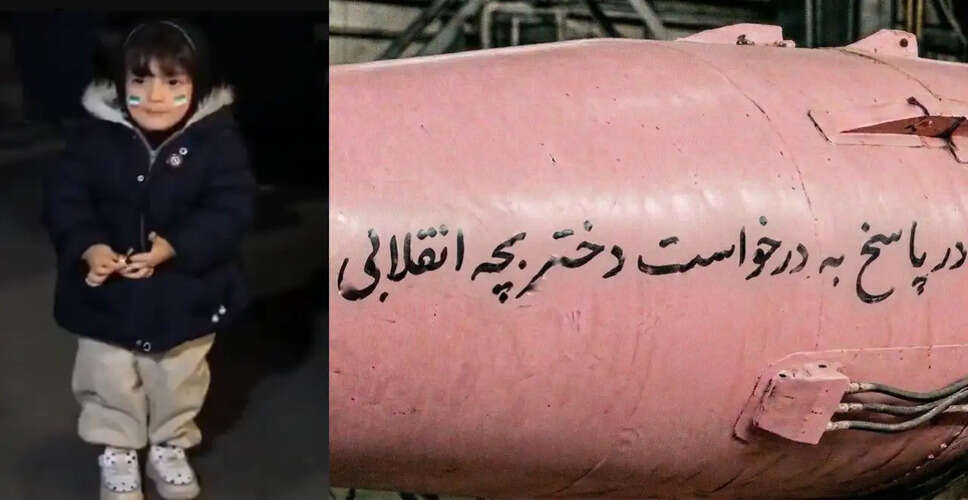

Viral Missile Image Linked to Young Girl's Appeal
Amid a delicate ceasefire, a Telegram channel associated with the Islamic Revolutionary Guard Corps (IRGC) shared a striking image of a pink missile on Monday, which quickly gained traction online. The missile, adorned with Persian text stating "In response to the request of the revolutionary little girl," was posted shortly after a video aired by Press TV. This video featured a young girl with Iranian flags painted on her face, directly addressing IRGC Aerospace Force commander Seyed Majid Mousavi with a unique request. “Seyed Majid, with the precision-striker, plow Tel Aviv with your pink missile,” she urged, as translated by local sources. Following the video's viral spread, the IRGC-affiliated platform released the now-famous image of the pink missile, portraying it as a symbolic reply to her appeal. Various outlets, including Tasnim News Agency, widely circulated these visuals. The Aerospace Force also shared an image of the pink missile inscribed with a Farsi message that echoed the girl's request.
IraninSA
2041210578299977866
It remains uncertain whether the image depicted a real weapon or was merely symbolic. However, Iranian state media reported that the girl's call was addressed within 48 hours, claiming the IRGC utilized the pink missile in strikes on Tel Aviv. In late March, Iran had similarly launched missiles at Israel, accompanied by messages thanking India and Germany, with visuals shared by the Iranian Consulate General in Mumbai and state media.
Tasnimnews_EN
2041212725754302729
Ceasefire at Risk as Israel Intensifies Strikes in Lebanon
The emergence of the pink missile image coincided with the announcement of a two-week ceasefire amidst rising tensions involving Iran, Israel, and the US. Initially, President Trump indicated that Iran had proposed a "workable" 10-point plan to help resolve the conflict initiated by the US and Israel on February 28. However, when a Farsi version surfaced suggesting that Iran would continue uranium enrichment—crucial for nuclear weapon development—Trump dismissed it as fraudulent without further details. The ceasefire agreement became increasingly tenuous after Iran closed the Strait of Hormuz in response to Israeli assaults in Lebanon. The White House urged the reopening of the channel and aimed to maintain momentum in peace negotiations. Both the US and Iran claimed success following the agreement, while global leaders expressed relief, despite ongoing drone and missile attacks affecting Iran and Gulf Arab nations.
(With agency inputs)