
Iran's Oil Industry Faces Crisis Amid Sanctions and Blockade

Iran's Oil Export Challenges
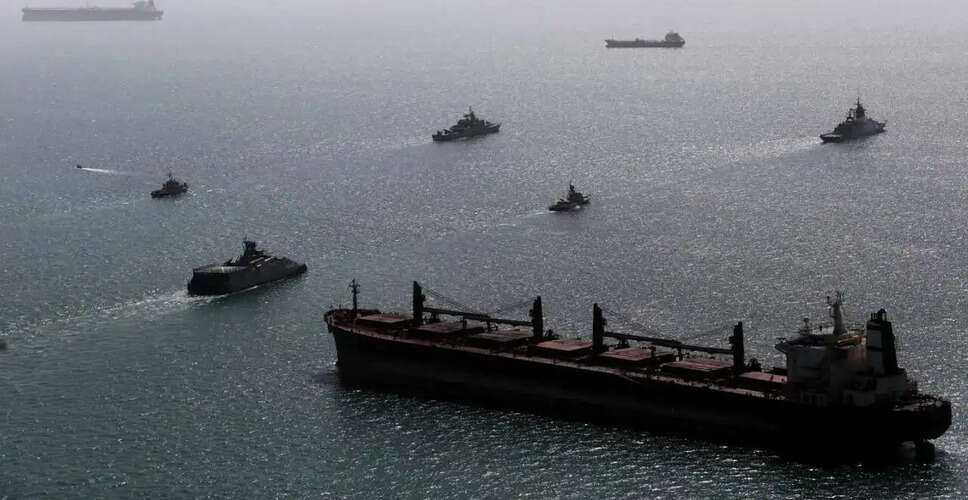
The Iranian oil sector is experiencing significant strain due to sanctions and a US naval blockade in the Strait of Hormuz, severely limiting its export capabilities. This situation has left millions of barrels of crude without a destination. Central to this predicament is Kharg Island, which is responsible for over 90% of Iran's oil exports and has a storage capacity of up to 30 million barrels. As storage levels approach their limits, Tehran has resorted to an unconventional strategy by reviving a 30-year-old tanker, Nasha, to serve as floating storage for excess crude oil.
Impending Storage Crisis
Storage Crunch Looms
Experts in maritime analysis have indicated that the situation is nearing a critical juncture. With approximately 13 million barrels of storage space left and net inflows estimated between 1 to 1.1 million barrels daily, the available capacity could be depleted in under two weeks. Satellite images from TankerTrackers, taken on April 16, reveal that at least three tankers are currently loading a total of 5 million barrels from Kharg Island, highlighting that production persists despite the halt in exports. If storage reaches full capacity, Iran may face a tough decision: either reduce production or risk long-term damage to its oil fields. Oil that cannot be stored cannot be produced, and without exports, revenue generation becomes impossible, further tightening the economic pressure on Tehran.
Challenges of Halting Production
Why Iran Can’t Simply Shut Production
Ceasing oil production is a far more intricate process than merely turning off a valve. Oil reservoirs depend on a precise balance of underground pressure to maintain crude flow. Disrupting this equilibrium, particularly in mature fields, can lead to water infiltration into reservoirs, permanently trapping oil and diminishing long-term recovery. For Iran, especially in water-injection fields, shutting down wells could result in irreversible harm and lasting production declines.
Temporary Measures in a Long-Term Crisis
A Temporary Fix, Not a Solution
The reactivation of the tanker Nasha indicates Tehran's strategy to buy time. By relocating excess crude offshore, Iran aims to alleviate pressure on its vulnerable onshore storage facilities while maintaining production levels. However, analysts caution that this is merely a short-term solution. If the blockade continues and exports remain limited, Iran will soon confront a stark choice: reduce production or risk causing long-term damage to its oil fields. Given that Kharg Island is crucial to Iran's oil exports, any disruption there could quickly lead to a wider economic crisis. Currently, the revival of aging tankers like Nasha reflects a nation grappling with an oil surplus and limited options amidst escalating stakes.