
Iran's New Weapon Threat Amid Rising Tensions with the US and Israel

Iran's Escalating Rhetoric
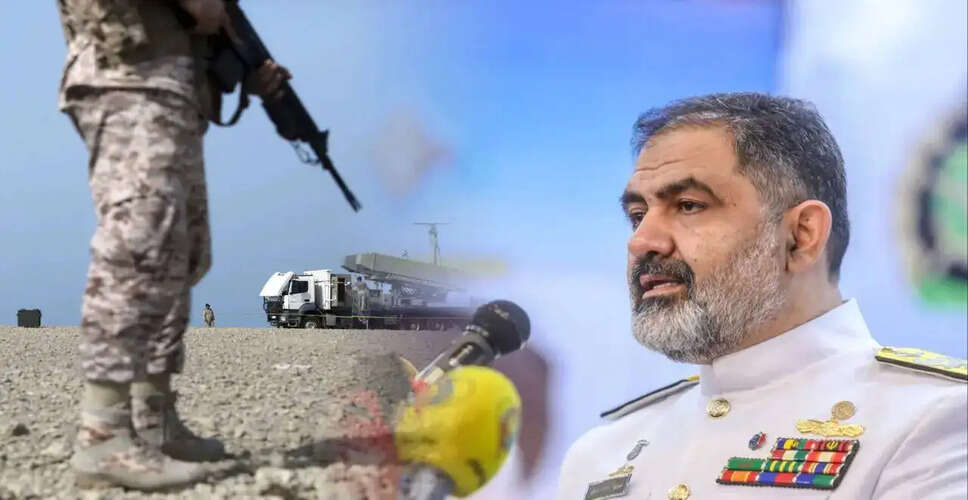
Iran has intensified its wartime discourse, hinting at the potential use of a new and possibly disruptive weapon aimed at US and Israeli military forces. This assertion, made by high-ranking naval officials, emerges during a period of increased tension in the Gulf, where a US-led naval blockade continues to strain Tehran’s energy resources. Rear Admiral Shahram Irani, the commander of Iran’s Navy, indicated that this weapon is strategically positioned near enemy forces and is designed to instill what he termed a “heart attack” level of fear. However, the description lacks clarity, providing no specific details regarding the weapon's nature, capabilities, or deployment strategy.
The timing of this announcement is significant, following the US's dismissal of Iran's offer to reopen the Strait of Hormuz in exchange for easing the blockade, which effectively extends the maritime pressure on one of the globe's most vital oil transit routes.
Rhetoric Versus Operational Reality
Rhetoric Versus Operational Reality
Iranian officials have coupled their weapon claims with assertions of ongoing military successes. According to Irani, Iranian forces have executed several missile strikes targeting US naval assets, including the USS Abraham Lincoln aircraft carrier. He claimed these attacks temporarily hindered American air operations, although this assertion has not been independently verified.
Such statements are typical in conflict communication, where demonstrating strength serves both deterrent and domestic messaging purposes. However, the lack of verification complicates the assessment of whether these operations had any tactical significance or were merely strategic posturing.
Blockade Pressure and Diplomatic Breakdown
Blockade Pressure And Diplomatic Breakdown
Currently, the broader confrontation revolves around conflicting strategies—economic pressure versus calculated escalation. US President Donald Trump has publicly supported the blockade, asserting it is more effective than direct military action in limiting Iran’s ambitions, particularly regarding its nuclear program. Iran’s suggestion to reopen the Strait of Hormuz while postponing nuclear discussions was deemed inadequate by Washington, leaving fundamental disagreements unresolved. This rejection highlights a growing diplomatic divide, where the sequence of actions—whether sanctions relief or nuclear concessions should come first—remains contentious.
In this context, Iran’s claim of a “new weapon” can be interpreted as both a warning and a bargaining chip. It remains uncertain whether this reflects a true technological advancement or serves as a psychological tactic. What is clear, however, is that the information landscape is now as active as the military front.