
Iran's Foreign Minister Links US Deal to Israel's Withdrawal from Lebanon

Iran's Diplomatic Stance on US-Israel Relations
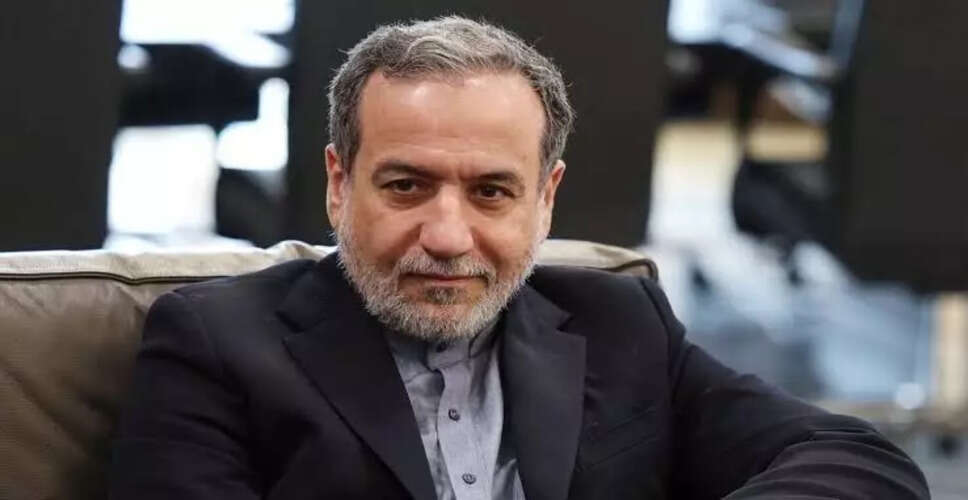
File image of Iran Foreign Minister Abbas Araghchi. (Photo:@RasheedMirani5/X)
Dubai, Jun 16: On Tuesday, Iran's chief diplomat emphasized that any agreement to conclude the conflict with the United States necessitates Israel's withdrawal from Lebanon. This statement raises concerns regarding the yet-to-be-released agreement and the potential for ongoing disputes over its stipulations to extend the conflict.
Foreign Minister Abbas Araghchi conveyed to international diplomats that Israel's ongoing presence in southern Lebanon would breach the memorandum of understanding established between the US and Iran, as reported by Iranian state television.
He stated, "The resolution of the war in Lebanon is intrinsically linked to the complete cessation of hostilities," adding that, "Without the withdrawal of Israeli troops from the territories they have occupied during this conflict, the war cannot be deemed fully resolved."
Araghchi further asserted that any future Israeli military actions against Lebanon would be interpreted as a breach of the Memorandum of Understanding.
While the United States has not clarified whether Lebanon is included in the final agreement, Araghchi's remarks contradict Israeli officials' statements regarding the deal that commenced with US-Israeli airstrikes on February 28.
Israel is not a signatory to this agreement. Prime Minister Benjamin Netanyahu remarked on Monday that it was a decision made by Trump, emphasizing that Israel has its own priorities and will maintain a presence in a buffer zone in Lebanon "for as long as necessary."
This uncertainty reflects similar situations from previous negotiations, including the temporary ceasefire established in April.
That ceasefire did not lead to a broader peace or the reopening of the Strait of Hormuz, as the US and Iran announced conflicting frameworks.
The inconsistencies highlight how much of the agreement remains unresolved ahead of a ceremonial signing scheduled for Friday in Geneva.
This agreement aims to establish a significant truce in a month-long conflict that has resulted in thousands of casualties across the Middle East, including key figures in Iran's leadership, and has driven up the prices of fuel, food, and other essential goods throughout the region.