
Iran's Diplomatic Stance Reflected in Attire During Islamabad Talks

Iran's Symbolic Arrival in Islamabad
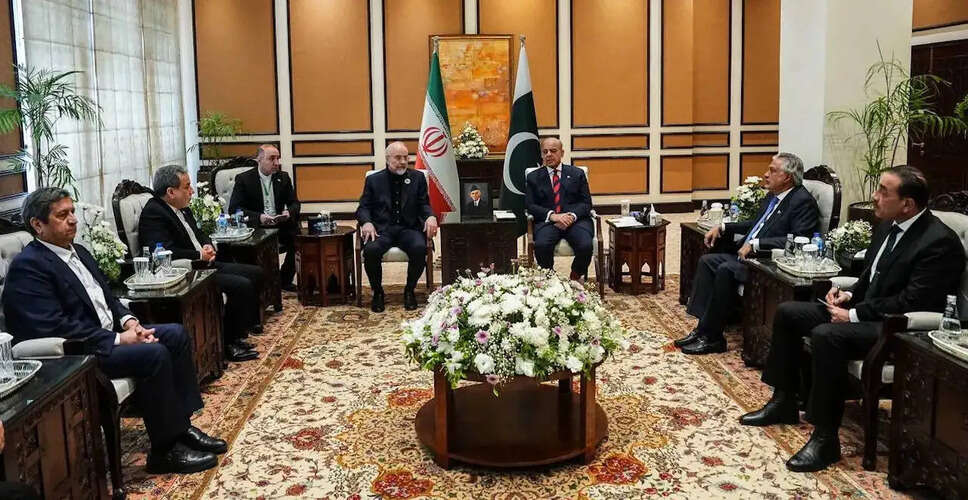
Before any discussions commenced in Islamabad, Iran made a powerful statement through its appearance. The visuals convey a narrative that words often overlook. A delegation of 71 members from Iran, led by Parliament Speaker Mohammad Bagher Ghalibaf and Foreign Minister Abbas Araghchi, arrived at the Serena Hotel in Pakistan's capital, all dressed in matching black suits and white shirts, notably without ties. A closer inspection reveals that their attire is laden with meaning. Araghchi sported a lapel pin featuring the Iranian map, edged in gold, symbolizing sovereignty and territorial claims even before negotiations began. Ghalibaf wore a badge depicting Mojtaba Khamenei, the son of the Supreme Leader who was killed in a U.S. airstrike six weeks prior, alongside an image of the late Supreme Leader, Ali Khamenei. Their presence was not just about negotiation; it was also a tribute to their losses and a message to the opposing side.
On the other side of the table were representatives from the United States, including Pakistani mediators like Prime Minister Shehbaz Sharif and Army Chief Asim Munir, who wore a red and green tie.
The no-tie policy of Iranian officials can be traced back to the 1979 Islamic Revolution, where ties were viewed as symbols of Western excess. The open-collared white shirt became a deliberate alternative, projecting a professional yet distinctly Iranian image. Following the revolution, the sale of neckties was outright banned, as they were seen as emblems of Western oppression. Ayatollah Khomeini even labeled those who wore them as 'tie-wearing cronies of the West.' Nearly fifty years later, this sartorial principle continues to accompany Iranian officials in every diplomatic setting, including Islamabad.
Moreover, the color black holds significant Shia meaning in Iran, symbolizing mourning, especially during Muharram when millions honor the martyrdom of Imam Hussein. Iran's delegation arrived not just for diplomatic engagement but dressed in the colors of sorrow — mourning for their Supreme Leader Ayatollah Ali Khamenei, who was killed in a U.S. airstrike, and for the countless victims of attacks by U.S. and Israeli forces.
Upon arrival, Ghalibaf stated, 'We have goodwill, but we do not trust. Unfortunately, our experience of negotiating with the Americans has always ended in failure and violations of commitments.' Their attire echoed this sentiment. Iran did not come to impress; it came to remember and to remind everyone present of the nature of its relationship with the U.S.: an ongoing struggle against a superpower that dictates terms to a nation that refuses to comply.
The temporary ceasefire is set to expire on April 22, and significant gaps remain between the two parties. The men in black have arrived, alongside those in power suits. Whether they will depart with an agreement remains uncertain.