
Iran's Conditions for Opening the Strait of Hormuz Amid Ongoing Tensions
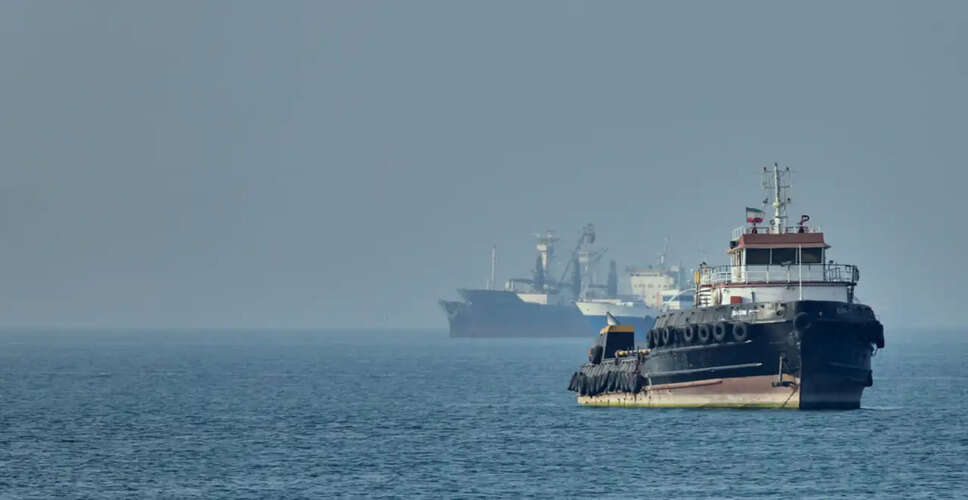

Iran's Stance on the Strait of Hormuz
Iran has expressed its willingness to reopen the Strait of Hormuz, contingent upon the United States lifting its naval blockade on Iranian ports, returning approximately $15 billion in frozen assets, and removing long-standing sanctions. Kazem Gharibabadi, Iran's deputy foreign minister, stated, "Iran is prepared to open the Strait of Hormuz," but emphasized that after a prolonged conflict resulting in 4,000 Iranian casualties, including civilians, it is unreasonable to expect Iran to facilitate safe passage for all vessels while facing such adversities. He remarked, "Hormuz cannot be opened for everyone except Iran."
Gharibabadi noted that Iran is not a signatory to the United Nations Convention on the Law of the Sea (UNCLOS) and is not inclined to impose transit fees. However, he suggested that a service charge could be established for the safety and security of maritime traffic, with the specifics to be determined by experts in a transparent and fair manner. This charge would not apply to nations that have attacked Iran or supported such actions.
On nuclear matters, Gharibabadi highlighted three critical issues: the development of nuclear weapons, uranium enrichment, and the existing stockpile of approximately 460 kilograms. He questioned the rationale behind transferring uranium to the U.S., a nation that has previously attacked Iran. He asserted that enrichment is a right of any nation that has ratified the Treaty on the Non-Proliferation of Nuclear Weapons (NPT), and currently, further enrichment is impractical due to the material being buried under debris. He rejected the idea of transferring uranium to the U.S.
When asked about Iran's decision to enrich uranium to 60 percent, he explained that while 20 percent enrichment is sufficient for peaceful purposes, the increase to 60 percent was a response to sabotage attempts against Iran's nuclear program. Gharibabadi welcomed any diplomatic efforts, including those from Pakistan, and expressed openness to initiatives from India, which has historically supported regional peace. He also indicated a willingness to collaborate with India on the Chabahar port project, which serves as a vital link to Central Asia.
Regarding reports of Iranian aircraft at Pakistani airfields, he stated he had no information on that matter. He expressed disappointment that a neighboring country, part of BRICS, sought to include negative references to Tehran in a BRICS statement. On the upcoming meeting between U.S. President Donald Trump and Chinese leader Xi Jinping, he suggested that China could exert pressure on the U.S., given its reliance on secure traffic through the Strait of Hormuz. While he described the ceasefire between the U.S. and Iran as "shaky," he advocated for a lasting peace, warning that renewed conflict would result in significant global repercussions.