
Iran's Bold Proposal: Will the US Lift Sanctions in Exchange for Strait of Hormuz Access?

Iran's Offer to the US
In a significant diplomatic move, Iran has proposed to ease its control over the Strait of Hormuz in return for the United States lifting its sanctions and ceasing military actions. This proposal, which includes delaying discussions on Iran's nuclear ambitions, was communicated to the US through Pakistan, according to two regional officials.
However, US President Donald Trump appears hesitant to accept this offer, which does not address the underlying issues that led to the conflict between the US and Israel on February 28.
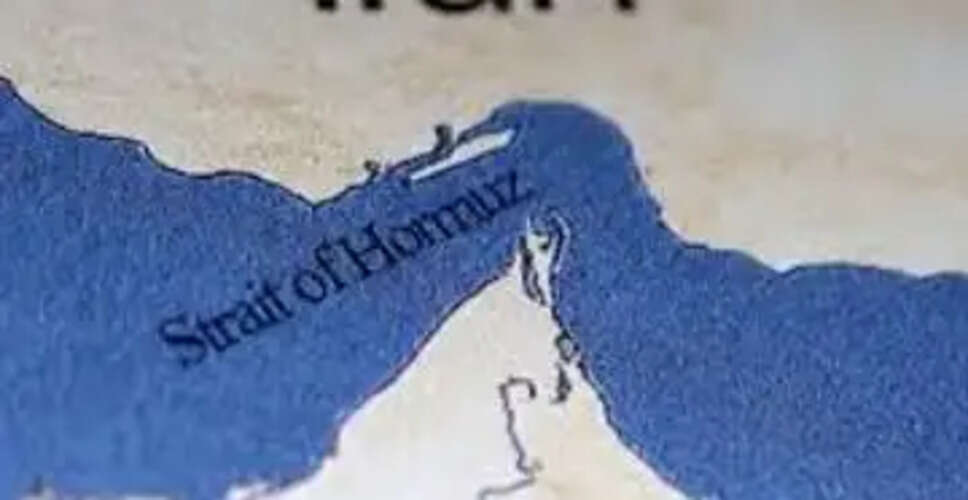
Currently, a fragile ceasefire exists, but tensions remain high as the US and Iran are at an impasse over the Strait of Hormuz, a crucial passage for a significant portion of the world's oil and gas trade. The US sanctions aim to restrict Iran's oil sales, severely impacting its economy and potentially forcing Tehran to halt production due to storage limitations.
The ongoing closure of the strait has intensified pressure on Trump, especially with rising oil and gasoline prices ahead of the midterm elections, affecting Gulf allies reliant on this waterway for oil exports.
This blockade has also had global repercussions, driving up costs for essential goods like food and fertilizer.
Iran's proposal suggests postponing negotiations regarding its nuclear program, a key issue that Trump has cited as a primary reason for military action against Iran.
The officials who disclosed this information requested anonymity due to the sensitive nature of the discussions held between Iranian and Pakistani representatives over the weekend. The Axios news outlet was the first to report on Iran's proposal.
This development coincided with a visit from Iran's foreign minister to Russia, a long-time ally of Tehran, although the extent of Moscow's potential support remains uncertain.
Strategic Importance of the Strait
Iran's capability to disrupt traffic in the Strait of Hormuz has emerged as a critical strategic advantage in the ongoing conflict, which often hinges on each side's ability to endure hardship.
Since the onset of the war, oil prices have consistently climbed, with tankers stranded in the Gulf unable to navigate the strait safely to reach global markets.
As of Monday, the spot price for Brent crude, the global benchmark, was approximately USD 108 per barrel, reflecting a nearly 50% increase since the conflict began.
Diplomatic Efforts and Ceasefire
Last week, Trump extended the ceasefire agreed upon by the US and Iran on April 7, which has largely halted hostilities. However, a lasting resolution remains elusive, with the conflict resulting in thousands of casualties.
Iranian Foreign Minister Abbas Araghchi met with Russian President Vladimir Putin in Saint Petersburg, where Putin commended the Iranian people for their resilience and pledged Russia's commitment to fostering peace in the Middle East.
Prior to the meeting, Araghchi expressed optimism about consulting with Russian officials regarding recent developments in the war.
Meanwhile, Pakistan has been attempting to revive stalled negotiations between Iran and the US, with talks anticipated in Islamabad over the weekend. However, Trump canceled a planned visit by his envoys, suggesting that discussions could occur via phone instead.
During his trip, Araghchi visited Pakistan and Oman, engaging in discussions with officials from Qatar and Saudi Arabia as well.
Iran is reportedly seeking Oman's support for a toll collection mechanism for vessels traversing the strait, although Oman's response remains unclear.
The official involved in mediation efforts indicated that Iran is adamant about ending the US blockade before entering new negotiations, with Pakistani mediators striving to bridge the significant gaps between the parties.
Trump's Remarks on Iran's Proposal
Trump mentioned on Saturday that following the cancellation of his envoys' trip to Pakistan, Iran submitted a 'much better' proposal, although he did not provide specifics.
He emphasized that a key condition for any agreement is that Iran must not possess nuclear weapons. While Iran maintains that its nuclear program is for peaceful purposes, the US aims to eliminate Tehran's stockpile of highly enriched uranium, which could potentially be used for weaponization.
Since the conflict began, the death toll has reached at least 3,375 in Iran and 2,509 in Lebanon, where hostilities between Israel and the Iran-backed Hezbollah resumed shortly after the war's initiation. Additionally, casualties have occurred in Israel and among Gulf Arab states, including 15 Israeli soldiers, 13 US service members, and six UN peacekeepers.
The ceasefire between Israel and Hezbollah has been extended for an additional three weeks.