
Iran's Attack on Qatar's Gas Terminal Triggers Global Energy Crisis
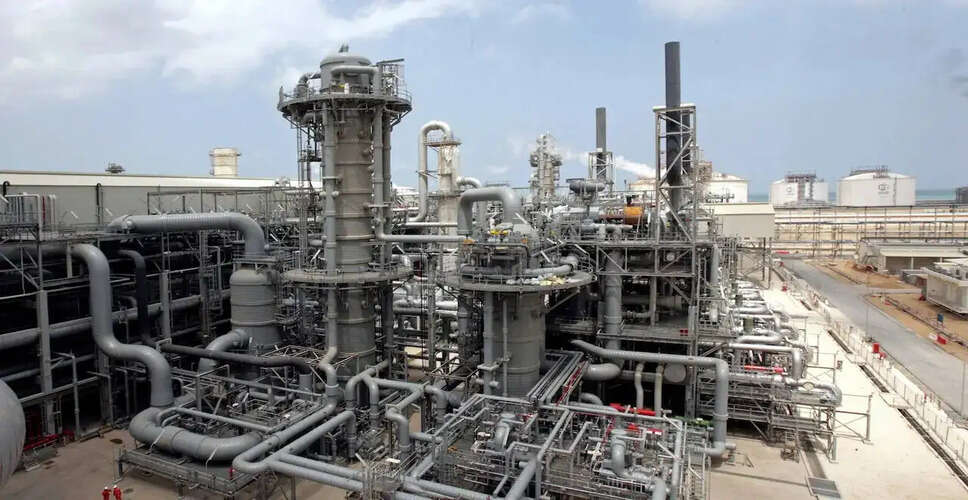
Significant Damage to Qatar's Ras Laffan Gas Terminal
On Thursday, an Iranian strike targeted Qatar’s Ras Laffan gas terminal, which is crucial for exporting liquefied natural gas (LNG). According to Saad al-Kaabi, CEO of QatarEnergy, the attack has severely impacted facilities responsible for 17% of the company's LNG production. The estimated annual revenue loss for Qatar could reach $20 billion. Al-Kaabi, who also serves as the state minister, expressed disbelief that Qatar would be subjected to such an attack, stating it would take approximately 3-5 years to repair the damages caused by the Iranian assault. The Ras Laffan terminal, recognized as the largest LNG export facility globally, sustained extensive damage during the attack, which was a response to an Israeli strike on the South Pars gas field. Following the drone strike, QatarEnergy had already halted operations at the terminal.
The Ras Laffan facility sources gas from the North Field, which is shared with Iran. The gas is then liquefied for transport, primarily to Asian markets. This incident has sent shockwaves through global energy markets, as Qatar is responsible for 20% of the world's LNG supply, leading to rising prices in Europe and Asia.
Increased Risk of Long-Term Energy Disruption
The ongoing attacks on vital oil and gas infrastructure in the Persian Gulf have heightened concerns about prolonged price increases for various commodities, including gasoline, electricity, and food. Iran's recent actions were in retaliation for an Israeli strike on a natural gas field that is essential for its energy supply. This cycle of attacks raises the possibility that initial price surges at the onset of the conflict could become a lasting issue.
Gulf nations have already reduced oil production due to the threat of Iranian strikes, which have obstructed tanker traffic through the Strait of Hormuz. Even if the strait becomes safe for transit, it will take time for oil and gas supplies to resume due to the complexities involved in restarting refineries and other facilities. Damage to energy infrastructure will further delay recovery.
Asia Faces Energy Challenges Amid Ongoing Conflict
Asia is particularly affected, as a significant portion of oil and gas from the strait is directed there. In the Philippines, government offices are now operating only four days a week, and there are restrictions on air conditioning usage. Vietnam has encouraged remote work to cope with the energy crisis. The disruption is not limited to oil and gas; essential raw materials like helium for computer chips and sulfur for fertilizers are also facing shortages, which could lead to increased prices across various sectors.
Retaliation Following Israeli Strikes on South Pars
The South Pars gas field, the largest in the world, is divided between Iran and Qatar, with Qatar controlling the North Field. This field is vital for heating and electricity generation in Iran. Following an Israeli attack on facilities linked to South Pars, Iran threatened to target oil and gas sites in neighboring Gulf countries. The Iranian government already faces challenges in electricity production, and losing natural gas from South Pars would exacerbate the situation for its citizens. US President Donald Trump has warned that if Iran continues its attacks on Qatar’s energy infrastructure, the US would respond decisively.
With inputs from various sources