
Iranian Warship Incident: US Submarine Attack Leaves Casualties
Tragic Sinking of Iranian Warship
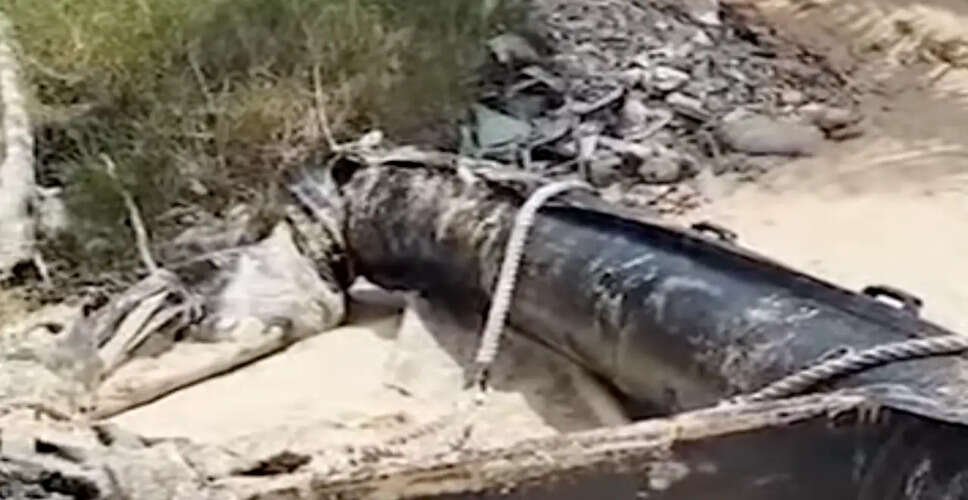
Debris from the Iranian warship, which was sunk by a torpedo from a United States submarine in the Indian Ocean, has washed ashore in Hikkaduwa, Sri Lanka. Footage obtained shows remnants of the vessel drifting towards the beach. The Iranian diplomat reported that the submarine did not provide any warning before the attack on the IRIS Dena.
Saeid Reza Mosayeb Motlagh, Iran's Consul General in Mumbai, emphasized that Iran will not obstruct commercial shipping in the Gulf of Hormuz. However, any vessel suspected of using commercial operations to engage in hostile actions will be addressed appropriately.
The IRIS Dena was returning from naval exercises in India and was not expected to carry significant military ammunition. Motlagh noted that any ammunition on board would have been utilized during the exercises, indicating that the warship was effectively unarmed at the time of the attack.
The attack occurred in international waters off the southern coast of Sri Lanka, resulting in a catastrophic explosion that claimed the lives of approximately 100 individuals, including Iranian soldiers. Many others sustained injuries, and arrangements are being made to facilitate their return to Iran.
Sri Lanka's navy reported the recovery of 87 bodies and the rescue of 32 individuals from the sunken ship. Motlagh stated that once flight operations resume in Iran, his government will collaborate with Indian authorities to arrange special flights for the evacuation of Indian nationals.
Motlagh condemned the ongoing conflict involving the US and Israel against Iran as unjust. The escalating tensions have severely impacted tanker traffic through the Strait of Hormuz, leading to a spike in oil prices, underscoring the strategic significance of this narrow passage for global energy supplies.
He reiterated that Iran will not hinder ships passing through for legitimate commercial reasons but will take action against any vessel suspected of hostile intentions. The current wartime environment poses risks to all vessels in the region.
Regarding the succession of Iranian Supreme Leader Ali Khamenei, Motlagh explained that the constitutional process for selecting a new leader is well-defined and must be adhered to. Currently, a council comprising the President, the Head of the Judiciary, and a jurist from the Guardian Council is managing the leadership responsibilities.
Motlagh clarified that the conflict is primarily between Iran and the United States and Israel, asserting that Iran has not initiated aggression against any nation in the last two centuries. He attributed the current war to the breakdown of diplomatic relations, stating that the US must accept responsibility for the consequences.