
Iranian Supertanker Evades US Surveillance, Heads to East Asia
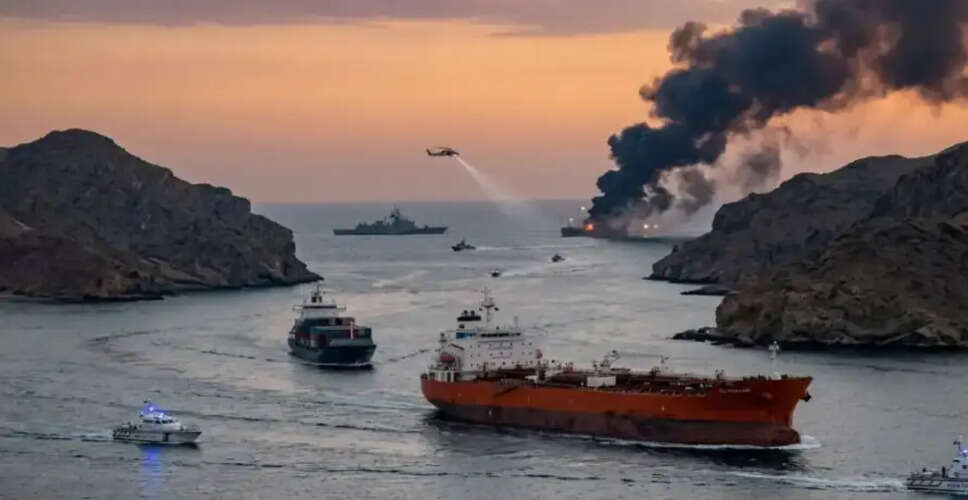

Iranian Supertanker Successfully Navigates Past US Naval Forces
A supertanker from Iran, loaded with crude oil valued at approximately $220 million, has reportedly managed to bypass US naval monitoring and is currently heading towards East Asia. According to maritime tracking company TankerTrackers, the vessel, which is transporting over 1.9 million barrels of oil, successfully evaded detection after ceasing its transmissions weeks ago.
Identified as the “HUGE” (9357183), the tanker was last spotted near Sri Lanka over a week ago and is now navigating through Indonesia's Lombok Strait towards the Riau Archipelago. It has not sent out Automatic Identification System (AIS) signals since March 20, when it left the Strait of Malacca heading for Iran.
Negotiations on the Strait of Hormuz and US Blockade
Iran has reportedly issued a one-month ultimatum for negotiations aimed at reopening the Strait of Hormuz, lifting the US naval blockade, and achieving a permanent resolution to the conflicts in Iran and Lebanon. This information was shared in a recent report by Axios. On Thursday, Tehran presented a revised 14-point proposal to Washington, which includes a strict timeline for reaching an agreement on maritime access, the cessation of the US blockade, and a lasting ceasefire.
US President Donald Trump commented on the situation, indicating that he would consider new military actions if necessary. He expressed his intention to review the Iranian proposal during his flight to Miami, although he previously stated his dissatisfaction with it. Trump later emphasized on social media that he finds Iran's actions unacceptable and believes they have not faced sufficient consequences for their past actions.