
Iranian Missile Strike Claims Lives of US Service Members in Jordan

Details of the Attack
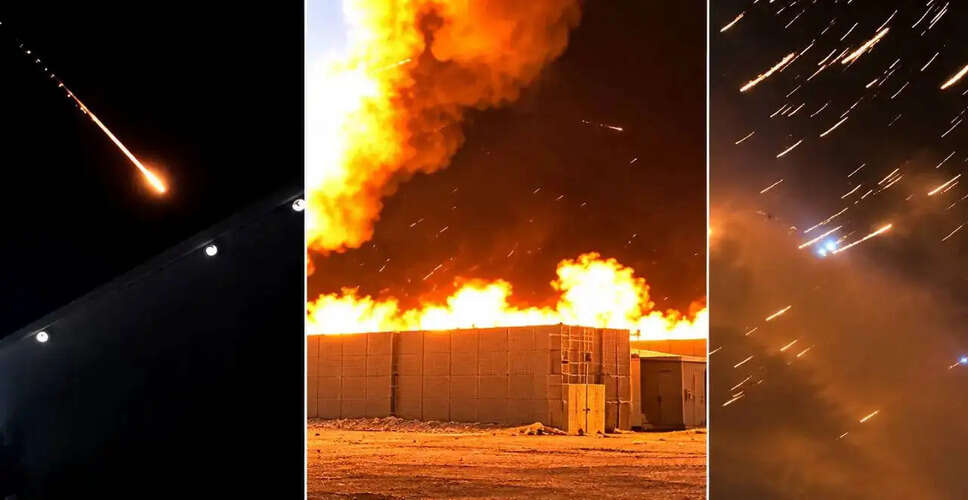
Last week, a ballistic missile attack by Iran resulted in the deaths of two American service members at the Muwaffaq Salti Air Base in Jordan. According to US officials referenced by a major news outlet, the missiles struck prefabricated housing units where the troops resided. This incident marked the third missile strike on the base within a single day. The Pentagon has confirmed the identities of the deceased as First Lieutenant Tyler J. Feehan from Hawaii and Private Isabella Gonzales from Texas, both serving in Army air and missile defense units. Additionally, the remains of a third individual have been recovered and are currently under examination.
Despite American air defenses, the three missiles that hit the base highlighted the ongoing challenge of safeguarding approximately 50,000 US troops stationed in the region from Iran's missile and drone capabilities. Reports indicate that Iran has modified its tactics, employing missiles that can travel at high speeds and maneuver during descent.
Footage of the Iranian ballistic missile strike on Muwaffaq Salti Air Base in Jordan last night. At least two missiles hit the base, killing two American service members. pic.twitter.com/8tOm6yyXwe
— OSINTtechnical (@Osinttechnical) July 18, 2026
A spokesperson for US Central Command (CENTCOM), responsible for overseeing military operations in the Middle East, refrained from commenting on the extent of the damage caused by the missile strikes. Iran has shared satellite images on social media claiming to depict the damage at the air base, including areas that appear to be residential.
According to US officials, the initial missile strike caused damage to the base's gym when debris hit the structure. Troops received adequate warning to seek shelter in bunkers, although some sustained injuries while trying to take cover. A second missile later struck an unoccupied aircraft hangar following another air raid alert.
The third missile impacted containerized housing units where soldiers were sleeping. Although warning sirens were activated again, not all personnel reached the bunkers before the strike. It remains uncertain whether the two soldiers who lost their lives were inside the housing units or outside while attempting to find shelter.
US Secretary of State Marco Rubio stated that nearly all incoming missiles were intercepted, with one unfortunately getting through and causing tragic consequences. He emphasized that the US remains open to genuine diplomatic efforts with Iran.
In response to the attack, President Donald Trump pledged retaliation, asserting that Iran would face severe consequences for the loss of American lives. He communicated this directive to key military leaders. Iranian Supreme Leader Mojtaba Khamenei cautioned that the US would learn "unforgettable lessons" if it persisted with military actions against Iran. Reports also indicated that Iran had conducted attacks on King Faisal Air Base, which hosts US forces, and another airfield in Jordan, damaging several US Army Black Hawk helicopters.