
Iranian Military Leader Killed Amid Rising Tensions with the US and Israel
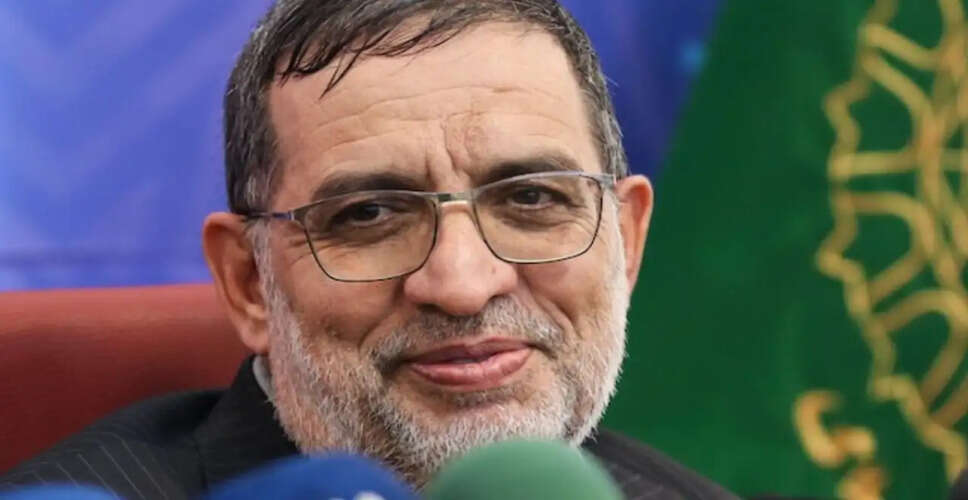
Tragic Loss for Iran's Military Leadership
On Friday, Iranian state media outlet Press TV reported the death of Brigadier General Ali Mohammad Naini, the spokesperson for the Islamic Revolutionary Guard Corps (IRGC), due to US-Israeli airstrikes. His death occurred shortly after he issued stern warnings to US President Donald Trump, challenging Trump's assertion that Iran's naval strength had been diminished. Naini provocatively invited the US to deploy its military in the Persian Gulf, while also dismissing claims that Iran's military production had been hampered, asserting that missile manufacturing was ongoing despite the strikes. He stated, “Our missile industry deserves a perfect score… and there is no concern in this regard, because even under wartime conditions we continue missile production,” as reported by Fars news agency.
In his last public remarks, Naini refuted Israeli Prime Minister Benjamin Netanyahu's claims that Iran had lost its capacity to enrich uranium or produce ballistic missiles. He emphasized that Iran's missile program had reached unprecedented levels, ensuring that production remains consistent even during conflict, with ample stockpiles available for operational demands. He warned, “There are surprises coming for the enemy, and as the battles progress, they will become more complex and intense.”
Background on Ali Mohammad Naini
On Thursday, the Israel Defense Forces (IDF) announced the elimination of Esmaeil Khatib, Iran's Minister of Intelligence, who was reportedly involved in actions against Iranian citizens during the Mahsa Amini protests from 2022 to 2023. The IDF described Khatib as a key figure in the Iranian regime's terrorist activities against both Israelis and Americans. In a statement on social media, they declared, "ELIMINATED: Esmaeil Khatib, the Iranian terrorist regime Minister of Intelligence, in a targeted strike in Tehran." His involvement in the protests, including the arrest and killing of demonstrators, has drawn significant criticism.
Khatib's death adds to a series of high-profile eliminations of Iranian military leaders following the passing of Ali Khamenei on February 28. Earlier this week, Iranian security chief Ali Larijani and Gholamreza Soleimani, the head of the Basij paramilitary force, were also killed in Israeli airstrikes. In response to these events, Pezeshkian expressed sorrow over the loss of his colleagues, stating that their legacy would continue to inspire resilience.