
Iranian Artist Sentenced to 74 Lashes for Performing Without Hijab
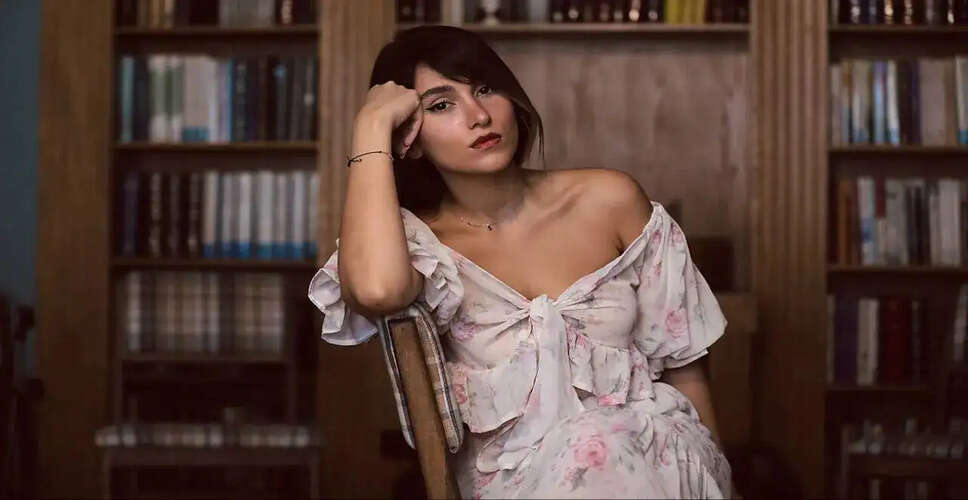

Severe Punishment for Artistic Expression
A young artist from Iran, Parastoo Ahmadi, aged 29, is facing a harsh sentence of 74 lashes imposed by a court in Qom province. This punishment stems from her performance during a livestreamed concert in December 2024, where she appeared without a hijab. Alongside her, eight other individuals involved in the concert have received the same sentence, according to reports.
Details of the Performance
Ahmadi performed a patriotic song titled Az Khoone Javanane Vatan, which translates to From the Blood of the Youth of the Homeland. The performance was streamed on her YouTube channel and quickly gained millions of views. Following the video's release, she and several musicians were briefly detained but later released. However, authorities initiated a formal case against them, leading to the current sentencing.
In addition to the lashes, the court has imposed a two-year travel ban on the artists and prohibited them from engaging in any artistic activities during this period.
Legal Basis for the Charges
What laws did she violate? Reports indicate that prosecutors cited two specific statutes. The first, Article 638 of Iran's Islamic Penal Code, criminalizes actions deemed as 'open religious taboo,' which includes being in public without a hijab. The second, Article 743 of the Computer Crimes Law, addresses the dissemination of content considered 'corrupt' or 'morally offensive' through digital platforms.
Meanwhile Iranian singer Parastoo Ahmadi has been sentenced to 74 lashes, 2 years of travel ban & 2 years of artistic activities ban by the Islamic judiciary court.Her crime? Holding a concert, singing and not wearing “appropriate” Islamic clothing pic.twitter.com/3Eh90Yp34n
— Throwback Iran (@Tarikh_Eran) June 18, 2026
A police official from Mazandaran province stated that Ahmadi was summoned after her video was deemed contrary to social norms. However, some legal experts argue that singing and creating music are not crimes for women under Iranian law, questioning the classification of her performance as 'obscene content.'
Reactions from Human Rights Advocates and Artists
The case has sparked significant backlash from both domestic and international observers. Bahar Ghandehari, from the Center for Human Rights in Iran, criticized the punishment, asserting that it reflects ongoing human rights violations in Iran, despite the government's attempts to project a different image.
Similarly, Iranian-British actress Nazanin Boniadi emphasized that the regime's treatment of women remains unchanged, even amidst discussions of a 'new' Iranian government. Setareh Maleki, an Iranian actor in exile, expressed pride in Ahmadi's bravery, acknowledging the risks involved in her performance.
AlinejadMasih
2067536610338480293
Masih Alinejad, an Iranian-American journalist, described the sentence as indicative of a government that does not conform to international norms, labeling it a form of gender apartheid.
Further Context
Currently, Iran's judiciary has not released the official ruling. Human rights organizations and legal experts view this case as part of a broader trend where artists who challenge the regime face legal repercussions, which they interpret as a strategy to suppress cultural dissent. For many artists in Iran, continuing to create under such oppressive conditions is seen as a quiet act of resistance.