
Iran Welcomes UN Nuclear Inspectors Amid US Negotiations

Significant Development in US-Iran Relations
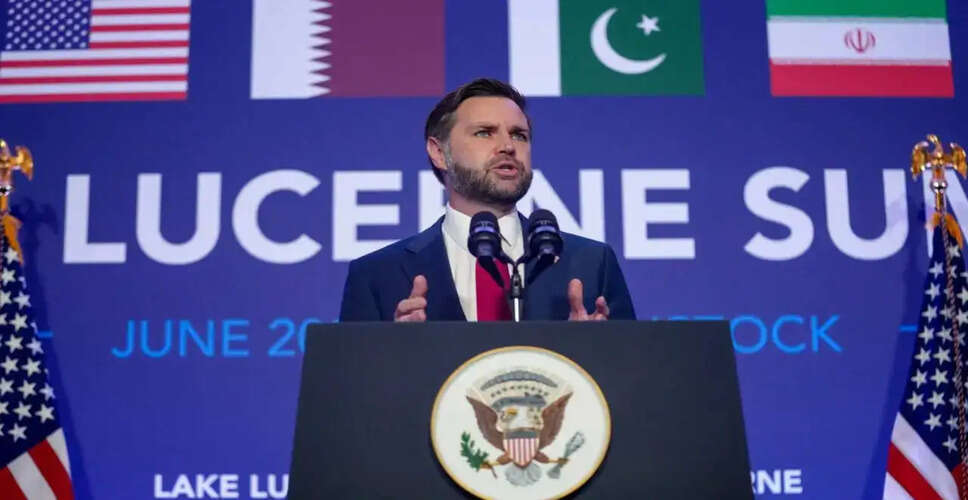
Following two days of discussions in Switzerland, Iran has consented to permit United Nations nuclear inspectors to return to its territory, as announced by US Vice President JD Vance on Monday. Addressing reporters in Lucerne before heading back to Washington, Vance characterized this agreement as a pivotal moment in the ongoing negotiations. He stated, "The Iranians have agreed to invite IAEA inspectors back into their country. This marks a significant milestone for the American populace and represents the initial step towards the complete denuclearization of Iran, which is our primary objective."
President Trump also expressed his approval of the reported agreement via a post on Truth Social, asserting, "Everyone understands that Iran will comply with Major Weapons Inspections to ensure long-term 'Nuclear Honesty.'" However, Iranian officials seemed to challenge parts of the US narrative. Esmail Baghaei, a spokesman for the Foreign Ministry, informed state-run IRNA that Iran's dealings with the agency would proceed according to existing agreements. Additionally, the semi-official Tasnim News Agency reported that the Iranian negotiating team did not authorize the entry of IAEA inspectors.
Since the 12-day conflict between Israel and Iran last year, IAEA inspectors have not been allowed into Iran. The country has consistently denied access to three nuclear sites that were bombed by the US on June 21, 2025, where it is believed that nearly 1,000 pounds of highly enriched uranium remain buried. These developments coincided with the Trump administration's announcement of a temporary relaxation of restrictions on Iranian oil exports. US Treasury Secretary Scott Bessent indicated that a new 60-day general license would allow the production, delivery, and sale of Iranian crude oil and petrochemical products until August 21, while negotiations are ongoing.
In line with the productive discussions in Switzerland, Bessent noted that Iran has committed to ensuring free transit in the Strait of Hormuz and allowing IAEA inspectors into the country. Vance remarked that substantial progress had been made during the talks, stating, "We laid a very good foundation for a successful final deal." He elaborated that while the foundation has been established, the final deal is yet to be constructed, but they are on the right path for the American people.
Furthermore, Vance mentioned that mechanisms have been put in place to address disputes related to the Strait of Hormuz and the ceasefire between Israel and Hezbollah in Lebanon. When asked for details, he explained that the mechanism involves direct communication to resolve conflicts. A joint statement from mediators in Pakistan and Qatar announced the creation of a "de-confliction cell" involving the US, Iran, and Lebanon to ensure compliance with the cessation of military operations in Lebanon.
Vance also indicated that any Iranian assets released under a future peace agreement could be utilized to purchase American agricultural products, crediting Jared Kushner, President Trump's son-in-law, and Qatari officials for developing this proposal. He described it as a beneficial deal for both American and Iranian citizens, contributing to the regional security framework.
These remarks from the Vice President followed President Trump's comments on Sunday, which included a threat to seize the Strait of Hormuz and aggressive statements towards Iran. Vance noted that these comments raised concerns among Iranian negotiators, leading to threats of withdrawal from the talks. However, he confirmed that negotiations continued well into the early hours, with the Iranian technical team remaining engaged.
Vance dismissed claims that Trump's comments had disrupted the negotiations, stating, "When you engage in what some might call trash talk, you can't expect the president of the United States not to respond and correct the record." He acknowledged some tension but emphasized that discussions progressed positively.
A joint statement from Pakistan and Qatar confirmed that while high-level discussions have concluded, technical negotiations will persist in Switzerland throughout the week, led by Jared Kushner and special envoy Steve Witkoff. These talks are part of a 60-day interim agreement signed last week between the US and Iran, aimed at resolving over three months of conflict and providing a framework to address Iran's nuclear program, frozen assets, and other critical issues.