
Iran Urges India to Condemn Israeli Military Actions Amid Rising Tensions
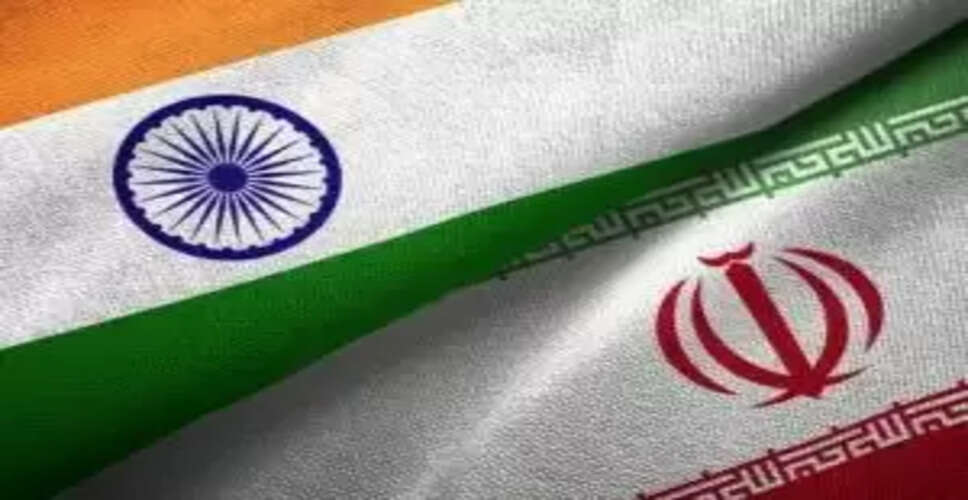
Iran's Diplomatic Appeal to India
New Delhi: A senior Iranian diplomat has called on India and other nations with similar views to denounce Israel's 'military aggression,' labeling it a violation of international law. Mohammad Javad Hosseini, the deputy chief of mission at the Iranian embassy, expressed hope that Pakistan would refrain from actions detrimental to Iran's interests.
His comments followed inquiries about a meeting between Pakistan Army Chief Field Marshal Asim Munir and former US President Donald Trump at the White House. Speculation has arisen regarding the potential use of Pakistani military bases by the US for operations against Tehran.
Hosseini emphasized that India, as a prominent leader in the Global South, should take a stand against Israel's actions, which he described as breaches of international norms. He stated, 'Every nation, including India, should condemn these military actions, not solely due to their ties with Iran but because they contravene global standards.'
The ongoing conflict has seen Israel and Iran exchanging numerous missile and drone strikes targeting each other's urban areas and military installations over the past week.
When questioned about the possibility of Iran closing the Strait of Hormuz, Hosseini refrained from providing a definitive answer, indicating that various options remain under consideration. This strait is crucial, with nearly 30% of the world's daily oil supply passing through it.
The International Energy Agency has warned that even a minor disruption in this passage could significantly impact global oil markets. Hosseini remarked, 'We have multiple strategies available, but that doesn't imply immediate action. It will depend on the evolving situation and the responses of other stakeholders.'
He added, 'If there is a genuine desire to resolve the conflict, some of these options may be set aside.'
Regarding the potential repercussions of the conflict with Israel on Iran's Chabahar port, the diplomat noted that escalating tensions could have extensive consequences for energy and commodity flows. 'This issue extends beyond Chabahar; it concerns the entire region. An escalation will undoubtedly influence oil transport and the movement of goods through these routes,' he stated.
Hosseini urged affected nations to consider the broader implications and to work towards halting aggression to prevent adverse economic effects that could ripple across the globe.