
Iran Threatens to Target Saudi and UAE Energy Infrastructure Amid US Tensions
Iran's Warning to Saudi Arabia and UAE
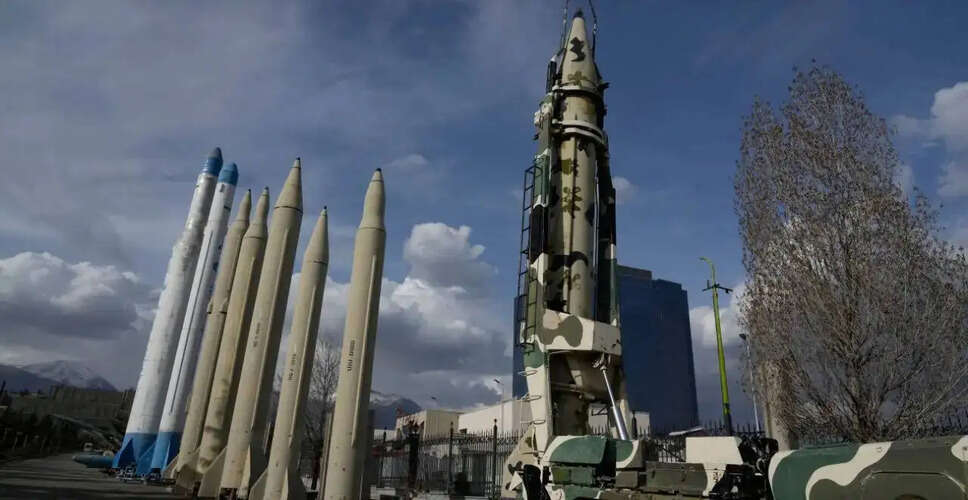
Iran has issued a stark warning that it may strike critical energy facilities in Saudi Arabia and the United Arab Emirates if the United States proceeds with attacks on Iranian sites. This information was reported by a military source to a local news agency. The potential targets include Saudi Aramco's oil installations and locations in Yanbu, along with the UAE's Fujairah pipeline, should the US launch strikes on Iranian power plants.
This warning comes in the wake of escalating tensions, particularly following remarks from US President Donald Trump, who has threatened significant repercussions if Iran does not reopen the Strait of Hormuz. On his Truth Social platform, Trump ominously stated, "A whole civilization will die tonight, never to be brought back again," expressing his desire to avoid such a scenario while indicating it might be inevitable.
Over the past fortnight, Trump has consistently warned that the US could target Iran's civilian infrastructure, including bridges and power stations, if its demands are not met. His latest statements coincide with heightened military activities by the US and Israel following the onset of conflict on February 28.
On Tuesday, US forces executed over 90 strikes on Kharg Island, Iran's primary oil export hub. A US military representative referred to these as "restrikes," aimed at previously targeted sites to inflict additional damage, although they have not yet targeted oil infrastructure on the island. Officials from the US and Israel, who spoke on the condition of anonymity, indicated that these strikes are part of a larger strategy to compel Iran to reopen the Strait of Hormuz, a vital passage for global oil and gas shipments.
Trump has set a deadline of 8 PM Eastern Time for Iran to permit unrestricted shipping through the strait. He warned that failure to comply would result in the destruction of every bridge in Iran and the shutdown of all power plants. Legal experts have cautioned that such actions against civilian infrastructure could be classified as war crimes.
As the deadline looms, reports regarding diplomatic efforts have been inconsistent. Three Iranian officials, speaking on condition of anonymity, claimed that Tehran has ceased indirect negotiations with the US, which were being facilitated by Pakistan. Conversely, Pakistan's Prime Minister Shehbaz Sharif stated that discussions are ongoing. He urged President Trump to extend the deadline by two weeks to allow diplomacy to take its course, calling for Iran to reopen the strait and for all parties to maintain a ceasefire.
An Israeli official also noted that negotiations were progressing, while Iran suggested that Pakistan could still serve as a mediator if talks were to resume. The White House press secretary, Karoline Leavitt, confirmed that Trump is aware of Pakistan's request and that a response is forthcoming.