
Iran Sets Firm Conditions for Ending Middle East Conflict
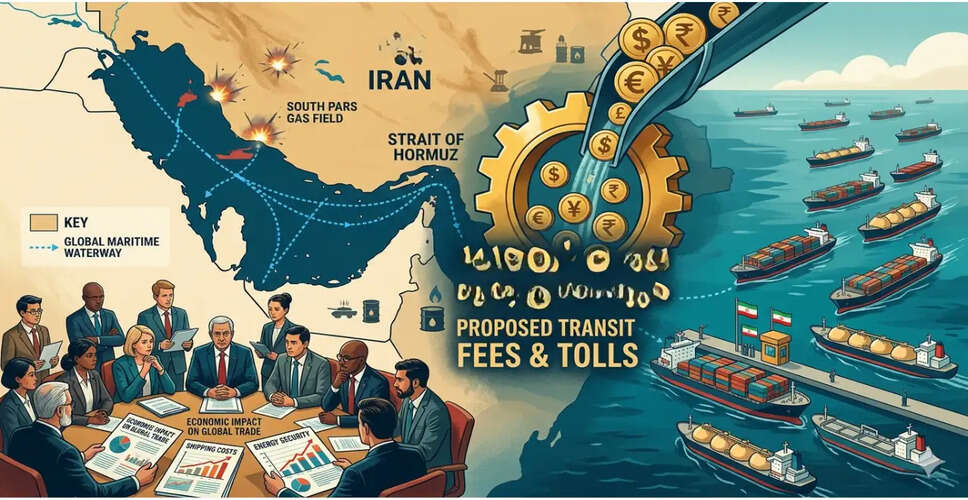
Iran's Stance on Conflict Resolution
In a notable escalation in diplomatic relations, Iran has outlined specific prerequisites for resolving the ongoing conflict in the Middle East. The Iranian government has made it clear that any agreement must extend beyond mere temporary ceasefires. Sources from Tehran indicate that the nation is not seeking a short-lived de-escalation but rather a comprehensive and lasting resolution to the hostilities.
Iran's position is anchored in four key demands:
- No Temporary Ceasefire: Iran has dismissed any notion of a brief halt in hostilities.
- Permanent Resolution: The country is advocating for a binding, long-term peace agreement.
- Hormuz Control: The Strait of Hormuz will only be reopened following the establishment of enduring peace.
- Assurances Against Strikes: Iran is seeking solid guarantees from both the US and Israel to prevent future military actions.
Negotiations Under Pressure Not Acceptable
Sources reveal that Iran is cautious about previous ceasefire agreements, which often led to renewed conflicts. This perspective aligns with Tehran's broader view that negotiations should not occur under pressure or strict timelines. Recent reports indicate that Iran has turned down proposals that would tie the reopening of the Strait of Hormuz to a temporary ceasefire.
The Strategic Importance of the Strait of Hormuz
The Strait of Hormuz, a vital passage for global oil transport, has emerged as a crucial element in the ongoing negotiations.
- Iran has effectively limited access through this critical route.
- The US is advocating for its reopening to stabilize international energy markets.
- However, Tehran has made it clear: without a lasting peace, there will be no passage through Hormuz.
Iran's Response to Trump's Ultimatum
Amid the escalating tensions, Iran has taken the opportunity to mock the United States and President Donald Trump. Following Trump's threat to take drastic measures if the Strait of Hormuz is not reopened by a specified deadline, Iran responded with humor. The Iranian Embassy in Zimbabwe posted on social media, jokingly stating, "We've lost the keys," while the embassy in South Africa added that the strait is only open for "friends."
Trump had set a new deadline for Iran to comply with US demands regarding the Strait of Hormuz, warning of potential military action if an agreement is not reached. In a social media update, he stated, "Tuesday, 8:00 P.M. Eastern Time!" indicating a new cutoff for Tehran's compliance. This announcement followed a more assertive warning about possible strikes on Iranian infrastructure.